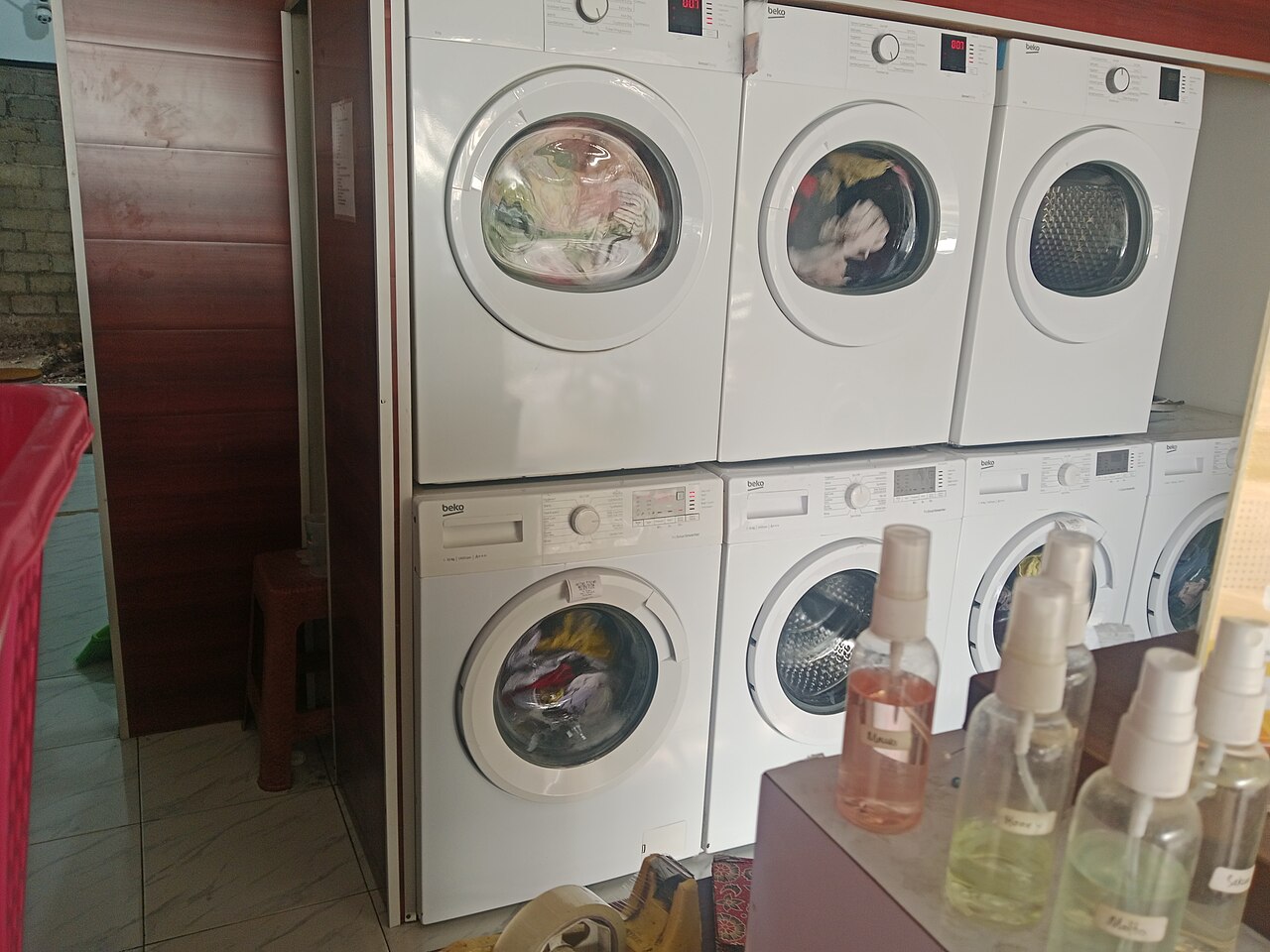

Why microfibre cloths need their own care
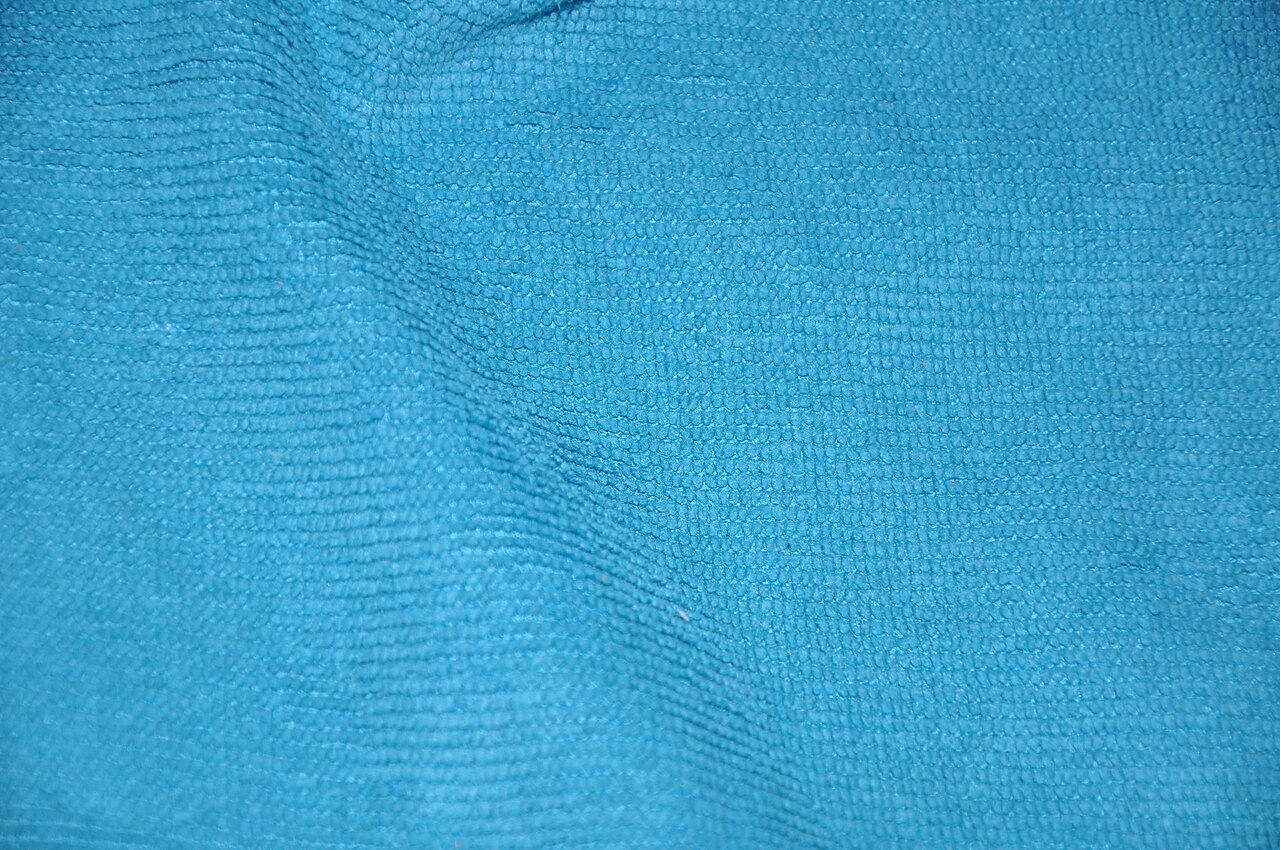
Microfibre works through its structure: very fine fibres absorb dirt and moisture and hold them between the fibre ends. This very structure suffers when the fibres become clogged with wax, polish residues, grease or fabric softener. The cloth becomes heavy, absorbs less water and spreads dirt over the surface instead of picking it up. Anyone who washes the cloths regularly and correctly keeps them usable for longer and protects the paintwork from scratches caused by trapped particles.
Verified test results
- We currently have no verified test results from independent publishers on this topic. As soon as published tests exist, we will add them here with their source.
Before washing: sorting the cloths
The most important preparation happens before the washing machine. Sort the cloths by area of use:
- Collect paintwork cloths separately from wheel cloths.
- Keep glass cloths separate; they should remain grease-free.
- Interior cloths with a lot of dust and grease should be rinsed roughly first.
- Do not mix heavily soiled cloths with freshly washed ones.
- Rinse cloths with polish or wax residues with warm water before washing.
Also check every cloth for damage: frayed edges, hard spots or dried-on foreign objects will damage the surface the next time they are used. It is better to sort out such cloths.
The right wash cycle
Temperature and programme
As a rule of thumb: a normal coloured wash programme with hand-warm water is sufficient for regular cleaning. For greasy interior cloths or dried-on care product residues, a warmer programme helps, provided the manufacturer's label allows it. Very hot washing can make fine fibres stick together; the cloth then becomes hard and loses absorbency.
| Programme | Suitable for | Note |
|---|---|---|
| Coloured wash, hand-warm | regular cleaning of all cloths | standard cycle, sparingly dosed liquid detergent |
| Coloured wash, warmer | greasy interior and wheel cloths | only according to the label, wash separately |
| Short programme | lightly soiled glass cloths | no spinning at high speed |
| Hand wash | individual, heavily soiled cloths | rinse thoroughly, do not wring out |
Detergent: sparingly and without fabric softener
For microfibre, liquid colour detergent in a small dose is suitable. Do without fabric softener: it leaves a film around the fibres that permanently reduces absorbency. Bleach, hygiene rinses with moisturising additives and heavily perfumed additives are also unnecessary. An additional rinse cycle helps remove detergent residues that could otherwise remain as streaks on glass and paintwork.
Load and drum
The drum should be only about half full so that the cloths can move and detergent is rinsed out. A laundry net protects edges and prevents cloths from getting caught in the door seal. Zips, hook-and-loop fasteners and metal parts do not belong in the same load because they roughen the fibres.
Drying: air instead of hot air
Microfibre cloths dry best in the air, hung up or laid out loosely. A tumble dryer is possible if the label allows it; then please choose a low programme. Dryer sheets with fragrances or fabric-softener effect have no place in the drum. Moisture should escape completely before the cloths are folded again, otherwise a musty odour forms in the drawer.
Storing cloths correctly
Store microfibre cloths dry, dust-free and separated by area of use. A flat drawer or a closable box is better than an open shelf in the garage where dust and oil mist reach the fibres. Fold the cloths loosely and sort them by colour: red for wheels, blue for glass, yellow for the interior – so you do not reach for the wrong cloth during the workflow.
When a cloth should be replaced
A microfibre cloth does not have to be used until its last use. Replace it if
- the edges fray or have become hard,
- the fibre remains stiff despite washing,
- the cloth permanently smells of chemicals,
- visible scratches or dried-on grains are stuck in the surface,
- the absorbency noticeably decreases and water is only smeared.
For paintwork, the rule is: if in doubt, use a new cloth. The price of a cloth is out of all proportion to the effort of paint correction.
Typical mistakes
| Mistake | Consequence | Better |
|---|---|---|
| Fabric softener in the wash cycle | fibres stick together, absorbency falls | do without fabric softener |
| Washing cloths with street clothing | sand and zips roughen the fibre | separate load or laundry net |
| folding together while damp | odour and mould formation | allow to dry completely |
| using a wheel cloth on paintwork | scratches from metal and dirt particles | colour separation by area |
| too much detergent | residues smear on glass | dose sparingly, extra rinse cycle |
| leaving the cloth in the sun | fibre becomes brittle | dry in the shade |
Keep separate: paintwork, glass and interior
The most common cause of streaks and fine scratches is not the wrong cloth but the wrong assignment. A cloth that has once picked up wheel dust carries these particles onwards. Therefore work with a fixed colour system and wash the areas separately. For glass, a separate grease-free cloth that only comes into contact with glass cleaner is worthwhile. Which types of cloth are suitable for which surface is covered in the overview of microfibre cloths and in the guide to textile cloths in car care.
Frequently asked questions
How often should I wash microfibre cloths?
After every use, but at the latest when the cloth is visibly soiled or smells. Wash cloths with polish and wax residues directly after the work so that the residues do not harden.
Can I wash microfibre cloths at 60 Grad?
That depends on the manufacturer's label. Many cloths tolerate a warmer programme, while others lose absorbency in the process. If in doubt, a hand-warm coloured wash cycle with sufficient rinsing is enough.
Why must no fabric softener be used?
Fabric softener leaves a film around the fine fibres. As a result, the cloth absorbs less water and dirt and is more likely to leave streaks on glass and paintwork.
Can I put microfibre cloths in the tumble dryer?
Only if the manufacturer allows it, and then on a low setting. Air-drying is the gentler option and prevents the fibres from sticking together due to heat.
How do I remove wax and polish residues from the cloths?
Rinse the cloths with warm water before washing and wash them separately with liquid detergent. Cloths that are heavily gummed up and remain stiff are better replaced.
How do I notice that a microfibre cloth is no longer suitable?
It feels stiff, absorbs hardly any water, smells permanently or has frayed edges. Such cloths no longer belong on paintwork or glass.
Conclusion
Microfibre cloths are consumables, but not disposable items. Sorting by area of use, a gentle wash cycle without fabric softener, complete drying and dry storage keep the fibres effective for a long time. Anyone who also consistently sorts out old and damaged cloths avoids the most common cause of scratches and streaks. An overview of materials and areas of use is provided by the category page Cleaning cloths.