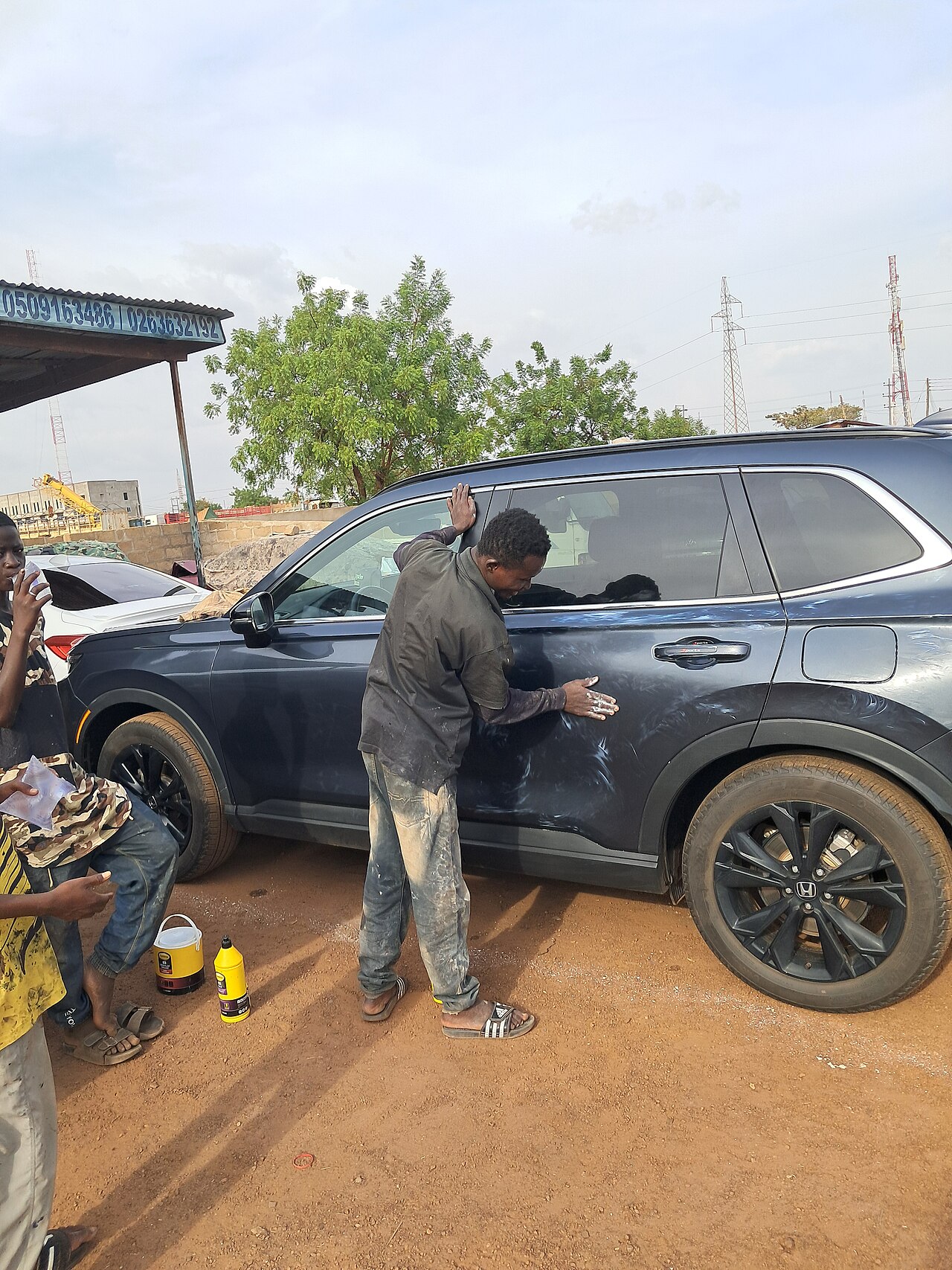

Buying car care equipment: how to find the right tool
Machines take over the work in car care that is tedious by hand: rinsing off coarse dirt, spreading polish evenly, vacuuming upholstery. Anyone buying a device for the first time faces many datasheet specifications that are of little help in everyday use. Here you will find the criteria that really matter, plus application, typical mistakes and notes on safety and storage.
Key points at a glance
- Choose the device according to the task: pressure washer for pre-washing and wheel arches, polisher for the paint, wet/dry vacuum for the interior.
- For getting started with paint polishing, a dual-action polisher is the usual choice; rotary machines require practice.
- Pay attention to connections, weight, scope of accessories and spare parts that can be reordered rather than individual peak values in the datasheet.
- Safety first: RCD, dry hands, safety goggles and the manufacturer's specifications.
- After use, rinse, empty, store dry and protect from frost.
Which devices are part of car care?
| Device group | Typical task | What you should look out for |
|---|---|---|
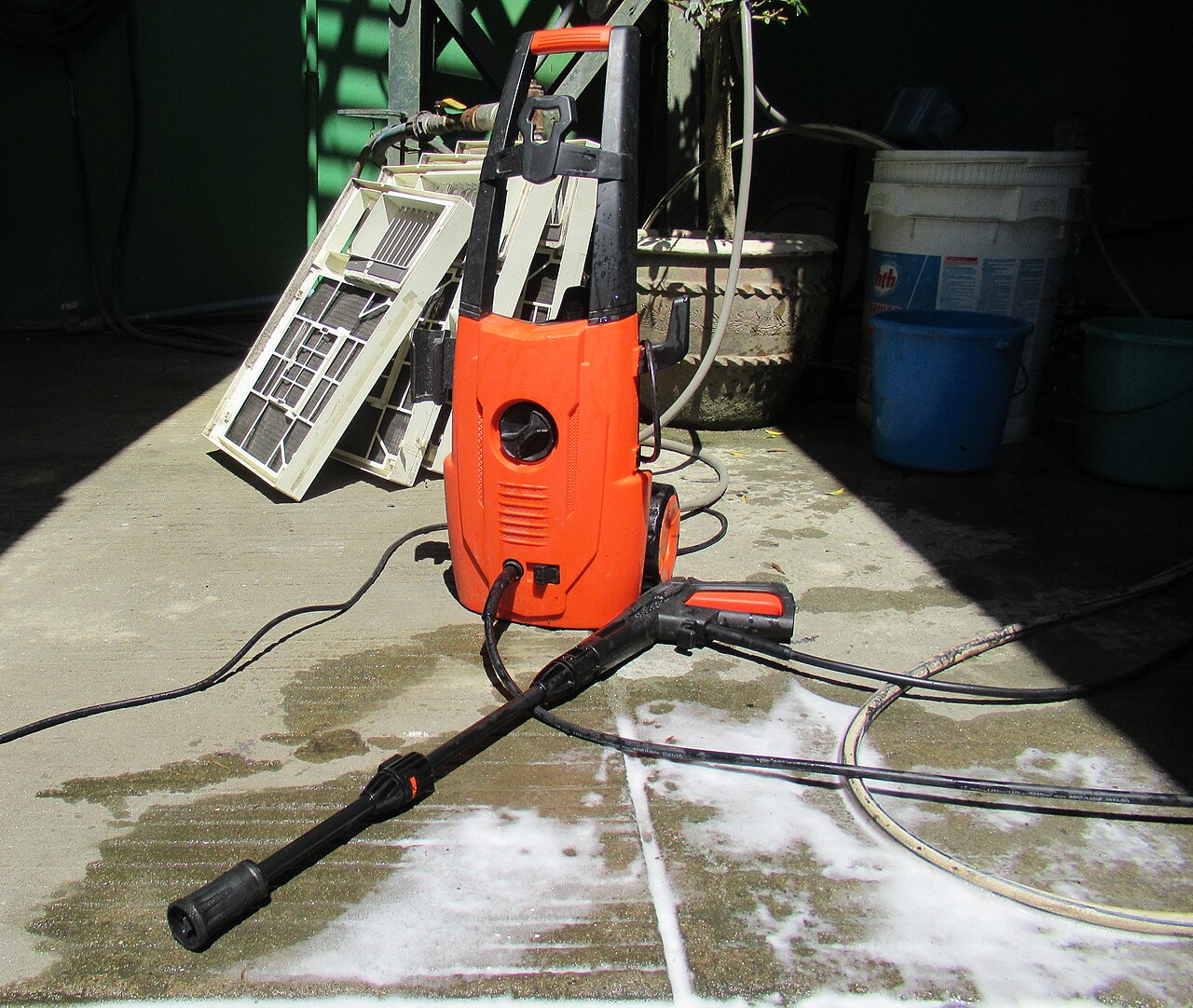
| Pressure washer | Pre-washing, wheel arches, floor mats, rims | Nozzles, hose length, water connection, stability |
| Dual-action polisher | Polishing and paint cleaning | Throw, pad attachment, weight, soft start |
| Rotary polisher | Paint correction with experience | Speed control, handling, edge protection |
| Foam cannon | Pre-washing with foam | Suitable connection, adjustability, cleaning |
| Wet/dry vacuum | Carpets, upholstery, crevices | Container size, filter, scope of accessories |
An overview of the device groups and their limits is provided by the category page Car care equipment.
Buying criteria: what matters when buying a device
Drive and power supply
Corded devices work continuously at full power and are usually lighter than battery-powered devices with comparable equipment. Battery-powered devices are flexible where no socket is reachable, but they bring more weight and limited runtime. For work on the vehicle, cable length also counts: a short cable forces the use of extension cables that must be suitable for outdoor use and adequately rated. An RCD is mandatory for electrical devices outdoors.
Pressure, flow rate and nozzles
With pressure washers, pressure and flow rate work together. High pressure with a low water volume cleans differently from lower pressure with more water. More important than peak values in the datasheet are adjustable nozzles, a clean jet and a foam attachment that fits the device. The manufacturer's specifications for pressure and flow rate can be compared between devices, but say nothing about handling.
Throw, speed and pad attachment
With dual-action polishers, the throw determines how large the worked area is per revolution. Rotary machines work with a uniform rotational movement and require secure guidance, especially at edges and seams. Speed control and a soft start make getting started easier. The pad attachment should fit common pad sizes so that you can buy replacement pads.
Weight, noise level and handling
A device is only used as often as it can be guided comfortably. Check weight, handle position, stability and the length of the connections. With polishers, the position of the center of gravity also counts; with pressure washers, the guidance of lance and hose. Loud devices cause fatigue faster, especially in the underground garage or in the yard.
Accessories, spare parts and ongoing costs
Pads, polishes, nozzles, seals and filters are consumables. Before you decide on a device, it is worth checking whether these parts are available individually and whether they fit common sizes. An inexpensive device with expensive special accessories can cost more over the years than a somewhat more expensive model with standard connections.
Safety and protective equipment
Safety goggles, gloves and hearing protection are part of the basic equipment. Electrical connections stay dry, cables are checked for damage before use. The jet of a pressure washer is never directed at people, animals or electrical equipment.
Types compared: advantages and disadvantages
| Device | Advantages | Disadvantages |
|---|---|---|
| Pressure washer | quickly loosens coarse dirt, reaches wheel arches and floor mats | requires water and power connection, wrong distance damages paint |
| Dual-action polisher | even result, more forgiving of guidance errors | less removal than a rotary machine, power connection required |
| Rotary polisher | high removal, quick work on large areas | requires practice, risk to paint at edges |
| Foam cannon | distributes foam evenly before washing | only useful with a suitable device and connection |
| Wet/dry vacuum | removes dirt and liquid from upholstery and crevices | bulky, power connection required |
Step by step: preparing and using the device
- Check weather and surface: Work in the shade and never on hot paint. Direct sun dries polish and shampoo too quickly.
- Set up the device: Place it securely, route cable and hose without tension, use an RCD.
- Connect water and power: Screw connections tight, unroll the cable completely, choose the nozzle or pad to suit the task.
- Choose a test area: Start in an inconspicuous place, such as the sill or a door edge, and check the result.
- Work in sections: Work area by area, guide the device evenly and do not linger in one spot.
- Intermediate cleaning: Check nozzles for blockages, change pads as soon as they are clogged with polish.
- Aftercare: Turn off water, release pressure, rinse and dry the device, empty and hang up hoses.
Typical mistakes
- Getting too close to paint, edges, seals or wraps with the high-pressure jet.
- Working polish in the sun or on hot paint so that it dries on.
- Putting too much polish on the pad; the result becomes uneven and the polish splatters.
- Running over edges and seams at high speed instead of working carefully there.
- Using an extension cable that is too thin or doing without the RCD.
- Using pads or nozzles that do not fit the device's attachment.
- Storing the device with residual water in frost.
Safety and storage
Before every use, it is worth looking at the manufacturer's instructions: they contain permitted areas of use, limits and maintenance instructions. Electrical connections stay dry, damaged cables are replaced rather than patched. When working with polish and cleaners, gloves and safety goggles are sensible; with loud devices, hearing protection as well.
After use, the device is emptied, the pressure released and everything stored dry. Hoses are hung up to drain so that no water remains standing in them. Pumps, seals and filters are checked regularly; replace worn parts before they cause consequential damage. Frost is the most common reason for defective devices in spring.
Suitable accessories
- Foam cannon and replacement nozzles for pre-washing and different spray patterns.
- Polishing pads in different hardness grades as well as a pad cleaner so that polish residue does not harden the pad.
- Microfiber cloths for removing polish and cleaning residue; what matters with microfiber cloths for polishing is explained in the dedicated guide.
- Water filter against limescale when working with hard water.
- Extension cables and hose couplings that are suitable for outdoor use.
For pre-washing with a water jet, the guide to pressure washers is also worthwhile, and for paint polishing the guide to polishers.
Frequently asked questions
Do I need a pressure washer if I wash by hand?
Not necessarily. A pressure washer makes pre-washing easier and cleans wheel arches and floor mats thoroughly. If you only wash occasionally, a garden hose, bucket and wash mitt are also sufficient.
Which polisher is suitable for beginners?
A dual-action polisher with speed control and soft start is the usual choice. It is more forgiving of guidance errors than a rotary machine, which allows faster work but requires more experience.
Can I remove scratches with the polisher?
Superficial marks and dull spots can be worked on, while deep scratches remain visible. Work with a suitable polish and moderate pressure; if you are unsure, a specialist workshop is the better address.
How close may the high-pressure jet get to the paint?
The jet is directed at a clear distance and at an angle to the surface, never vertically and never directly at edges, stone chips or seals. The manufacturer's specifications for the device and the instructions for the vehicle set the framework.
Can I use battery-powered devices on the car?
Yes, if power and runtime suit the task. For long work on several vehicles, corded devices are usually the more practical choice because they run continuously without a charging break.
How do I store the devices in winter?
Empty the device, flush hoses and lance empty, store everything dry and place it in a frost-free location. Residual water in the pump or lines can damage seals and housing in frost.
Conclusion
Car care equipment is worthwhile when it takes over a recurring task: pre-washing, paint polishing or cleaning upholstery. Decide first by the task, then check connections, handling and the availability of accessories and spare parts. Anyone who works safely, stays in the shade and observes the manufacturer's specifications gets more out of a simple device than out of an oversized one.
Verified test results
- We currently have no verified test results from independent publishers on this topic. As soon as published tests exist, we will add them here with their source.