
Key facts at a glance
- Car care can be divided into four areas: washing, paint care, interior, and wheels.
- For regular use, a small, coordinated basic set is enough.
- The most important criteria are paint compatibility, dosage control, and the question of whether you work by hand or with a device.
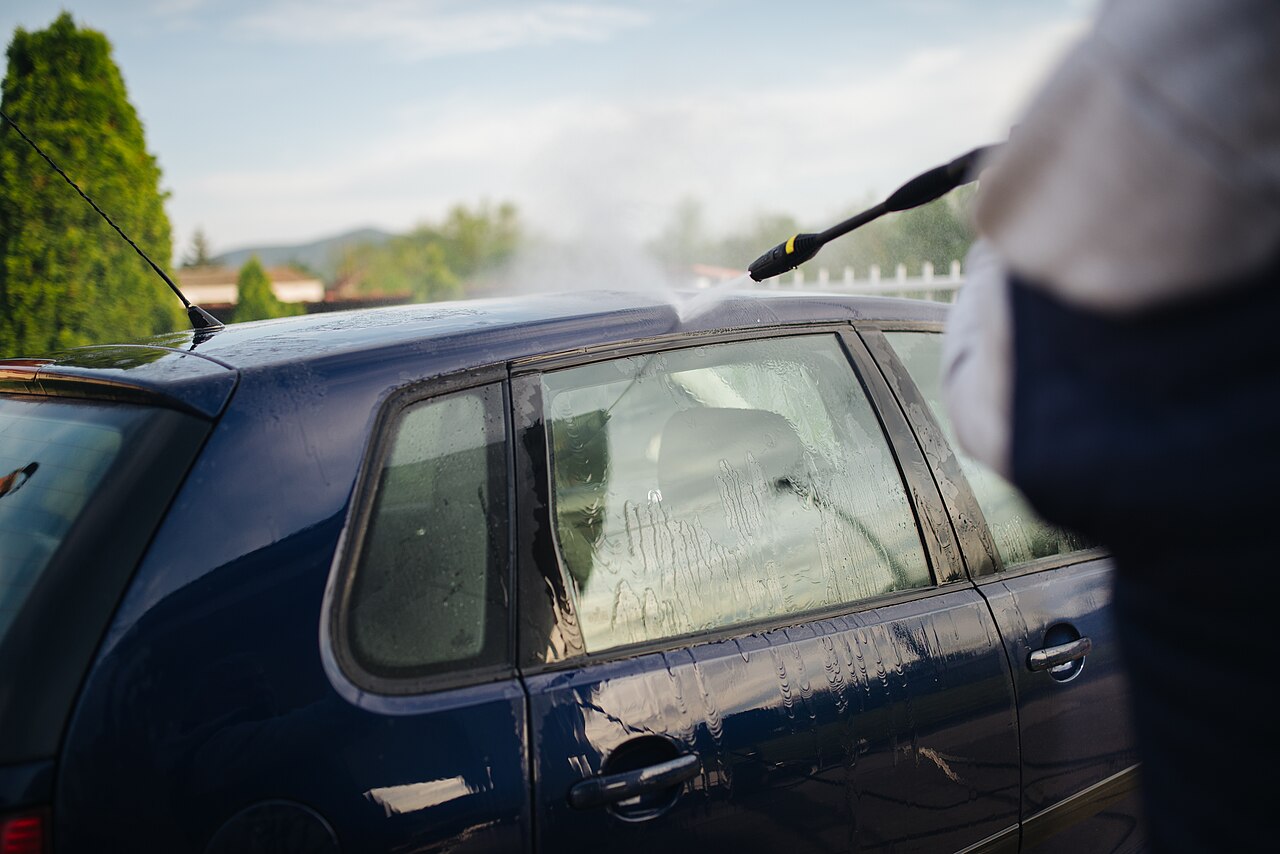
- Work according to the manufacturer's instructions, not in direct sunlight, and not on hot paintwork.
Verified test results
- We currently have no verified test results from independent publishers on this topic. As soon as published tests exist, we will add them here with their source.
Why a well-thought-out basic set is worthwhile
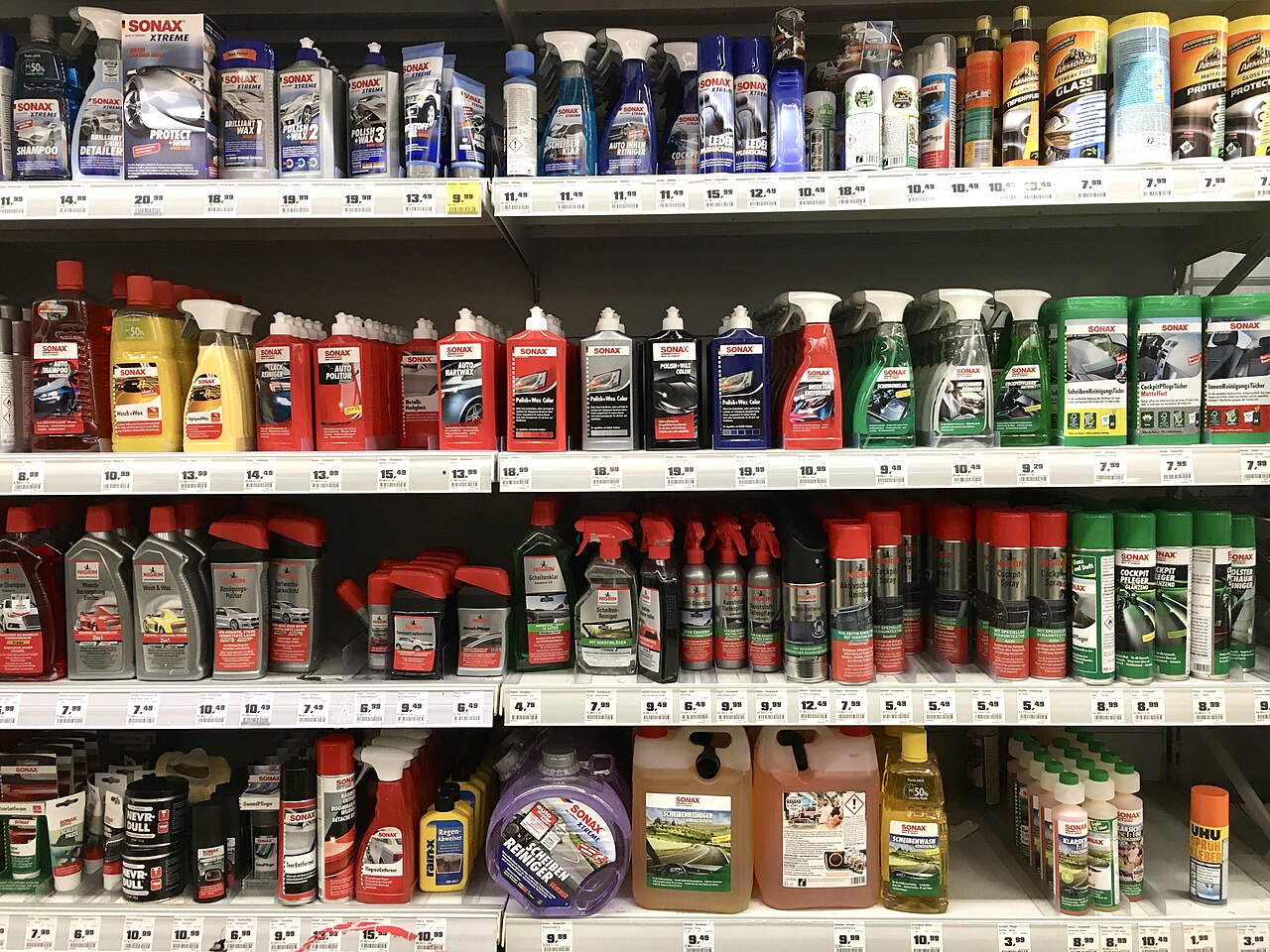
Anyone buying car care products quickly faces a shelf full of bottles whose labels all read similarly. The difference only becomes apparent in use: a shampoo for hand washing foams differently from a concentrate for pre-washing, a wheel cleaner can leave marks on sensitive surfaces, and an interior cleaner has no place on paintwork.
A well-thought-out basic set therefore does not mean buying as much as possible. It means choosing a few products that fit together and match the way you care for your car. Someone who washes every few weeks needs different products than someone who regularly pre-treats, polishes, and seals.
The category overview shows how the individual product groups of car care products are related. Here the focus is on selection.
The product groups at a glance
| Product group | Purpose | What to look for when buying |
|---|---|---|
| Car shampoo | Washing the paintwork | mild surfactants, clear dosage information, matching the existing protective layer |
| Wheel cleaner | Dissolving brake dust and road dirt | compatibility with the wheel surface, contact time, acid-free or acidic |
| Paint cleaners and polish | Preparing the paintwork, removing haze | abrasiveness, application by hand or by machine |
| Wax or sealant | Protective layer on the paintwork | application, compatibility with the shampoo used |
| Interior cleaner | Plastic, textile, leather | material compatibility, residues, odor |
| Glass cleaner | Glass surfaces inside and outside | streak-free wiping, compatibility with films |
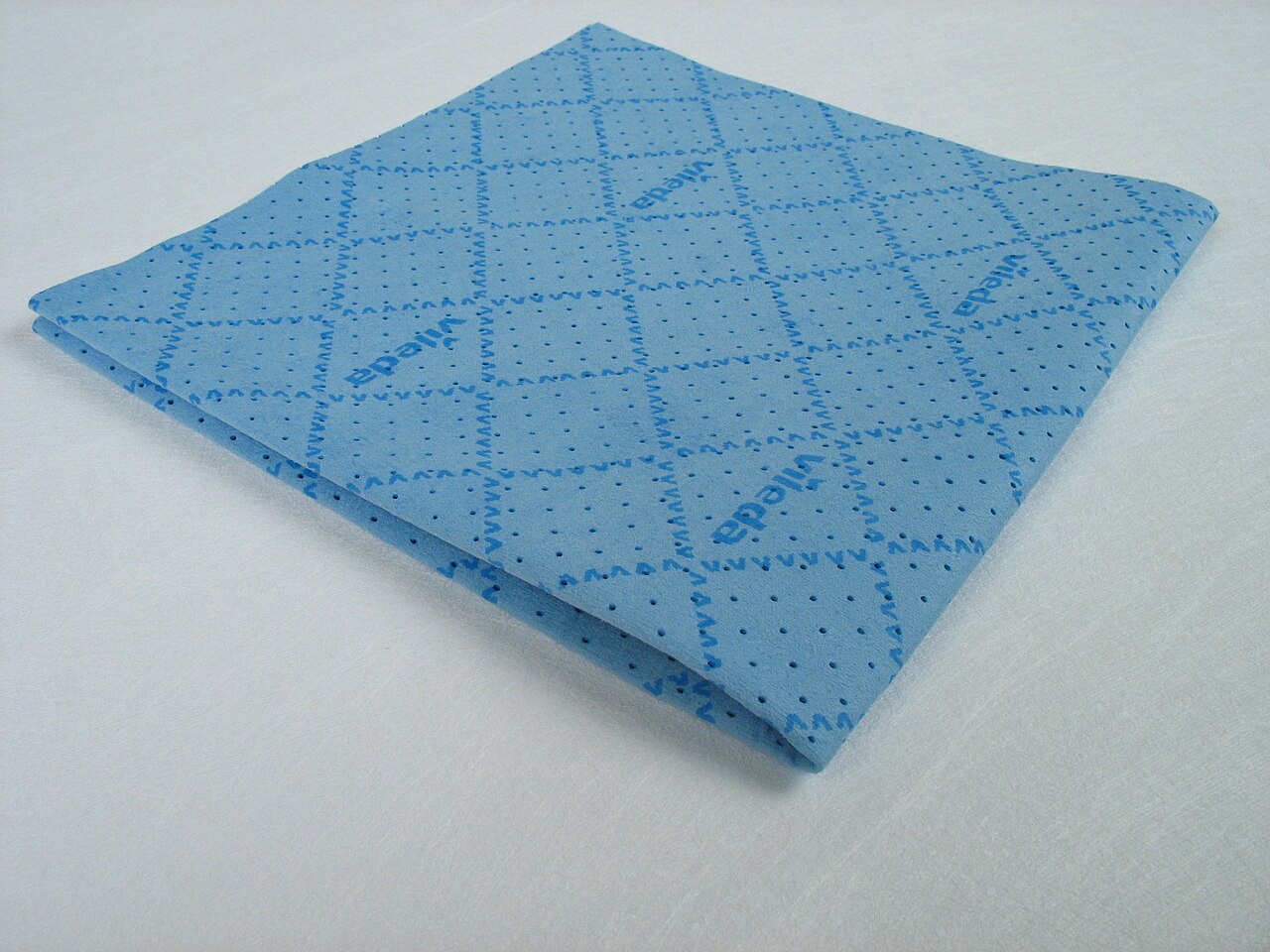
| Microfiber cloths | Drying, buffing, interior | grammage, pile, separation by area of use |
| Devices | Foam, pressure, polishing | mains or battery operation, accessories, space requirements |
Selection criteria
Paint compatibility and existing protective layers
Before buying, check whether your paintwork is waxed, sealed, or untreated. A mild shampoo without additional waxes preserves an existing sealant longer than a product that applies a new layer with every wash. Conversely, a shampoo with a wax content can certainly be desirable on untreated paintwork.
With polishes, the abrasiveness is decisive: a mild polish removes haze and light marks, while a stronger variant removes more clear coat and belongs only on prepared surfaces. If you are unsure, test on an inconspicuous area.
Dosage, yield, and mixing ratio
Concentrates are more economical but require precise dosage. Too much shampoo in the bucket leaves residues; too little barely foams and removes less dirt. Look for a specification in milliliters per liter of water and follow it – the manufacturer's dosage recommendation is the most reliable basis.
Application: by hand, with foam, or by machine
Your way of working determines the product. For hand washing, you need a shampoo that foams for a long time and rinses off well. For pre-washing with a foam cannon, there are dedicated concentrates; more on this in the guide Car shampoo. Anyone polishing by machine needs a polish designed for machine use and suitable pads.
Accessories and tools
Accessories are not a side issue. Two buckets, a soft wash mitt, a drying towel, and separate cloths for paintwork, glass, and interior prevent dirt from moving from one surface to another. The same applies to polish and sealant: a clean pad belongs to every pass.
Storage and shelf life
Car care products prefer cool, frost-free conditions. Heat and direct sunlight can alter the formulation, and frost can damage bottles. Note the date opened on the label so that you keep track.
Basic equipment for getting started
A manageable selection is enough to start with:
- a mild car shampoo for hand washing
- a wheel cleaner matched to your wheel surface
- an interior cleaner for plastic and a separate product for glass
- several microfiber cloths in different sizes
- a wash mitt and a drying towel
- optionally a mild polish and a wax or a sealant
Anyone who wants more later can add specific items: a foam cannon for pre-washing, a polishing machine, or special care for leather and plastic. How to use polish correctly is explained in the guide to Car polish.
The order in which you use the products
- Rinse off coarse dirt with clear water without rubbing dry.
- Clean the wheels first, while the paintwork has not yet been washed.
- Wash the paintwork from top to bottom and rinse the mitt regularly.
- Rinse thoroughly so that no shampoo residues dry.
- Dry with a clean cloth, do not rub with pressure.
- Polish if necessary and then protect.
- Interior and glass last, with separate cloths.
Typical buying mistakes
- Buying too many similar products that do the same job.
- Using a strong concentrate undiluted.
- Using one wheel cleaner for all surfaces without paying attention to compatibility.
- Mixing interior and paint cleaners.
- Leaving products in the car in summer.
Safety and storage
Gloves are sensible with cleaners and polishes, especially for longer use. Read the manufacturer's information on contact time and dilution and follow it. Do not work in direct sunlight or on hot paintwork, because products dry too quickly there. Keep cleaners out of the reach of children and dispose of leftovers via local collection points.
How our recommendations are created
We do not test products ourselves. Where we classify products, we rely on published tests by independent publishers and name them as the source. We do not award our own ratings, seals, or awards. For choosing basic equipment, this means: the information here describes product groups, criteria, and application – not the result of our own test.
Frequently asked questions
Which products do I need to start with?
A mild shampoo, a wheel cleaner, an interior cleaner, a glass cleaner, and several microfiber cloths cover regular needs. Polish and a protective layer are added if you want to prepare the paintwork.
Is a combined product for paintwork and interior enough?
As a rule, no. Paint cleaners are matched to paint and clear coat, interior cleaners to plastic, textile, or leather. A product for both risks residues or material damage.
How can I tell whether a cleaner is suitable for my paintwork?
The manufacturer's information states the intended area of use. With untreated paintwork, the selection is larger than with sealed surfaces, where mild products are more sensible. If in doubt, test on a small, inconspicuous area.
How do I store car care products correctly?
Cool, frost-free, and away from direct sun. Close bottles tightly, note the date opened, and do not transfer leftovers into other containers.
Can I apply polish and sealant outdoors?
Yes, but not in direct sunlight and not on hot paintwork. Work in small sections and remove residues before they dry.