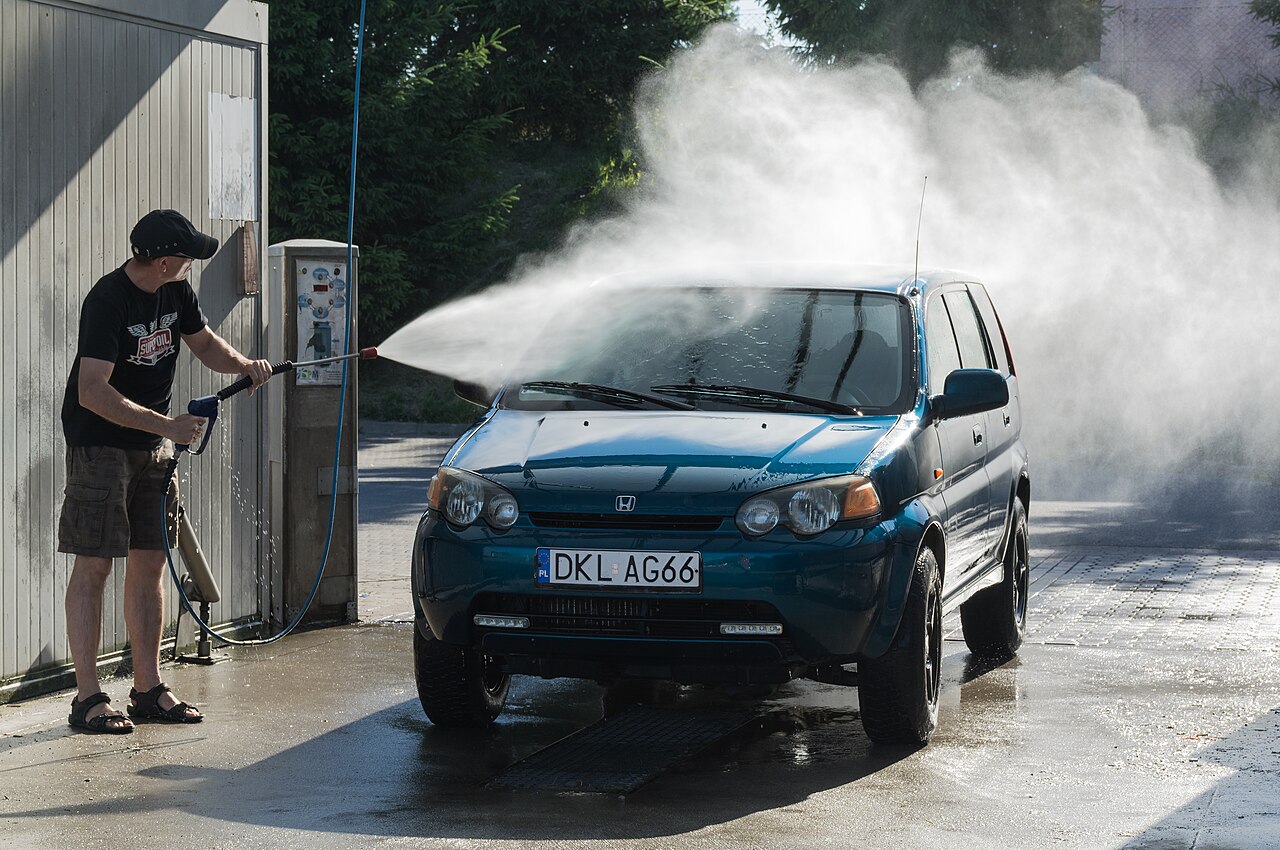

Wash station or hand wash: the most important differences
The choice between hand washing and a wash station depends on several factors: how much time you want to invest, what options you have at home, how sensitive the paint is and which environmental aspects matter to you. Both methods have strengths and weaknesses. This guide compares the common variants and helps you decide. An overview of the Car washing category can be found here. General information on car care can be found at vergleich.org.
Verified test results
- We currently have no verified test results from independent publishers on this topic. As soon as published tests exist, we will add them here with their source.
Hand wash: step by step
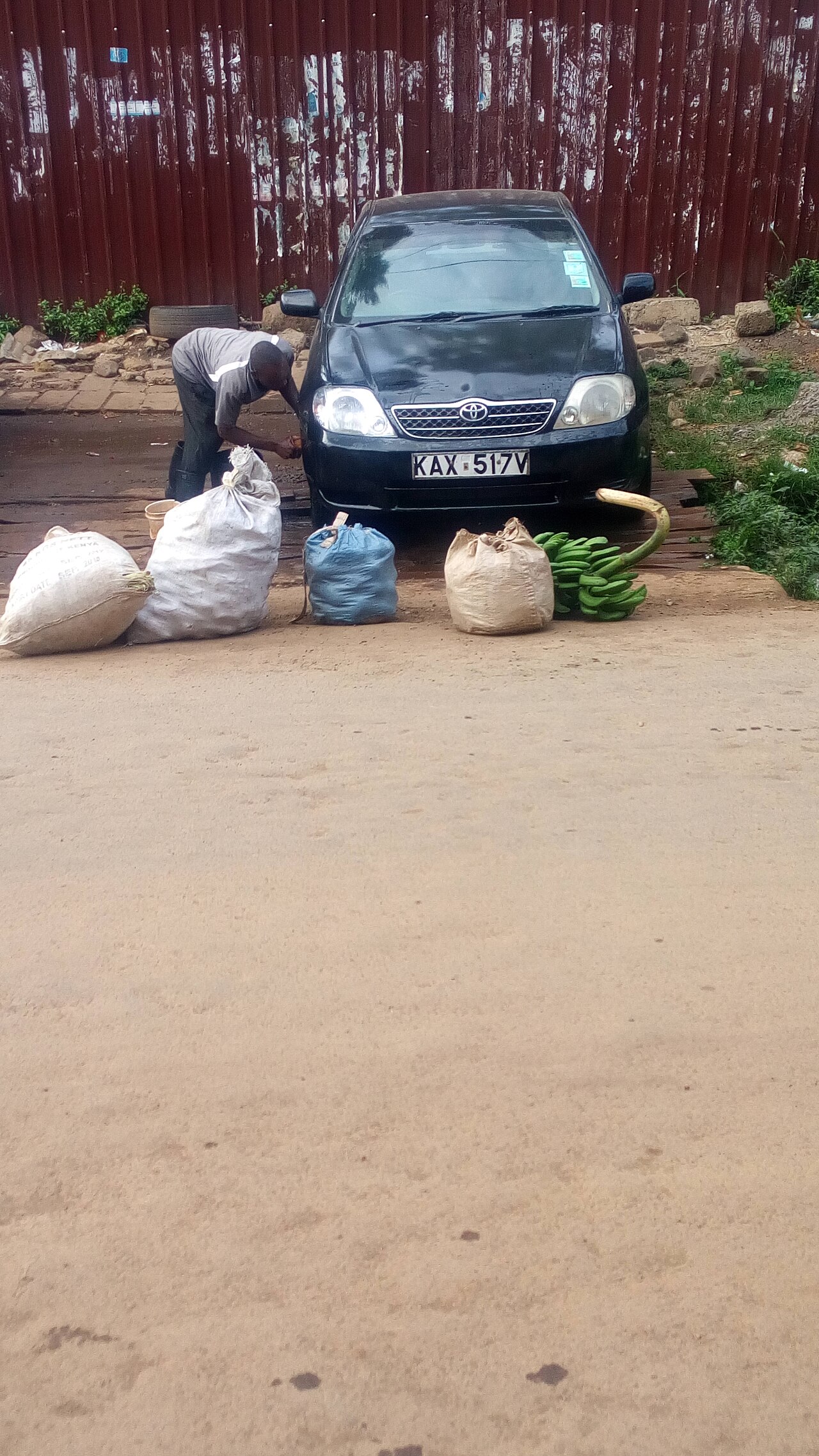
Hand washing gives you full control over every step. You decide which cleaning agents are used, how much water you consume and how thoroughly you work. A detailed guide can be found in our Hand wash guide. Here are the basics:
Preparation
Park the car in the shade so that the water does not dry too quickly and leave streaks. Gather all utensils: two buckets, a microfiber wash mitt, a mild car shampoo, a water jet (garden hose or pressure washer) and soft drying towels. Carefully remove coarse dirt such as leaves or sand without rubbing it over the paint.
The two-bucket method
With the two-bucket method, you fill one bucket with clear water and one with car shampoo solution. Dip the wash mitt into the shampoo solution, wash one section and then rinse the mitt in the clear water before dipping it into the shampoo solution again. This prevents dirt particles from repeatedly getting onto the paint. Change the clear water regularly.
Cleaning from top to bottom
Work from the roof over the hood and sides down to the sills and bumpers. The lower areas are usually more heavily soiled. This way you do not spread dirt from bottom to top. Clean the wheels last and use a separate mitt or sponge for this so that no brake dust gets onto the paint.
Drying
Dry the car with a clean, soft microfiber cloth or a special drying towel. Dab the water off instead of rubbing. Also work from top to bottom here. In warm weather, you can speed up drying by pulling the water off with a soft water jet without a nozzle.
What you should avoid
Avoid dish soap or aggressive household cleaners, as they can attack the paint's protective layer. Do not wash in direct sunlight and do not let the car dry with shampoo residue. Avoid circular movements with the sponge; straight movements reduce the risk of fine scratches.
Car wash and wash station: variants and process
Not every wash station is the same. There are various systems that differ in brush material, water consumption and convenience.
Brush car wash
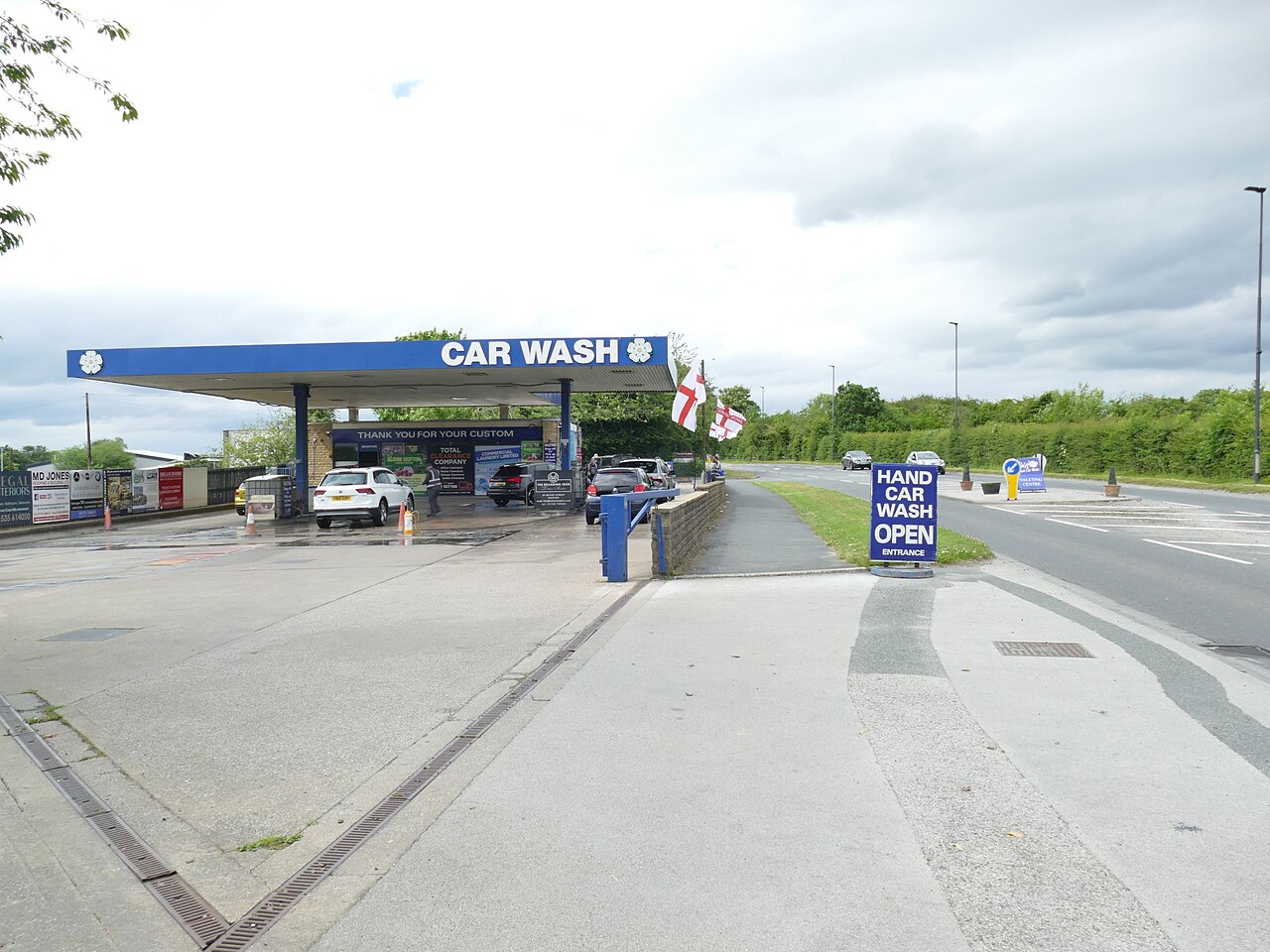
At a brush car wash, rotating brushes clean the vehicle. They are often quick and thorough, but can leave scratches if the brushes are dirty or the paint is sensitive. Pay attention to the condition of the facility and, if in doubt, ask when the brushes were last serviced.
Textile car wash
Textile car washes work with soft textile strips instead of hard brushes. They are considered gentler on paint, but also depend on regular cleaning. Here too, dirt that remains stuck from previous vehicles can attack the paint.
Portal wash station
A portal wash station is a semi-automatic solution: you drive the car into a bay and start the program. You can often choose between different wash programs. The effort is low; you stay in the car or wait nearby.
Self-service wash bay
At a self-service wash bay, you wash with a pressure washer and foam yourself. You have more control than in an automatic facility, but less than with hand washing using buckets. Make sure you allow enough time for rinsing and do not use the brush on dry paint.
Pros and cons compared
| Criterion | Hand wash | Car wash | Wash station (portal/self-service) |
|---|---|---|---|
| Effort | high | low | medium |
| Paint control | very high | low | medium |
| Water demand | medium to high | low to medium | medium |
| Cost per wash | low (materials) | medium | low to medium |
| Environmental impact | depends on wastewater | regulated | regulated |
| Space requirement | own parking space | none | none |
| Risk of scratches | low with correct technique | present | low to medium |
The table shows: hand washing offers the best control but takes time. Car washes are fast, but you have no influence on the brushes. Wash stations are a compromise.
Effort and time
A thorough hand wash takes about 30 to 60 minutes depending on vehicle size and soiling. Add time for setup and drying. A trip through the car wash is done in a few minutes. If you have little time, the wash station is the more practical choice. If you value gentle treatment and can invest time, hand washing is worthwhile.
Paint contact and scratch risk
Every wash involves mechanical contact with the paint. With hand washing, you determine how much pressure you apply and how clean your mitt is. With automatic facilities, brushes or textiles handle the cleaning. The risk of fine scratches increases if dirt particles are not rinsed off sufficiently. Pre-washing with a pressure washer can reduce the risk by removing coarse dirt before the brushes are used.
Water and energy demand
Hand washing with a garden hose uses comparatively a lot of water. If you want to save water, a pressure washer can be an option because it generates high pressure with less water. Car washes and wash stations often work with oil separators and treat their wastewater. If saving water is important to you, a modern wash station can be the better choice. However, check whether the facility uses recycling technology.
Environment and wastewater
When washing on the street or in the yard, shampoo residue and dirt enter the sewer system or groundwater. Check local regulations before washing in public areas. Car washes and wash stations often have oil separators and wastewater treatment. If you wash at home, make sure that the wastewater enters the sewer system and not the garden or a surface water body.
When which method is suitable
- Hand wash is suitable if you have a suitable parking space in the shade, have time and want to treat the paint particularly gently. It is often also the first choice for vehicles with sensitive paint or wraps.
- Car wash is practical when it needs to be quick and you have no option for hand washing. Pay attention to well-maintained facilities and use pre-washing.
- Wash station (portal or self-service wash bay) is a good compromise if you want more control than in a car wash but do not have the time for a complete hand wash.
Typical mistakes when hand washing
- Too much pressure: Do not rub forcefully over the paint. Let the shampoo work and loosen the dirt gently.
- Dirty mitt: Rinse the mitt regularly. A dirty mitt acts like sandpaper.
- Wrong order: Start at the top and work downward. The lower areas are more heavily soiled.
- Sun and heat: Do not wash in direct sunlight. The shampoo dries too quickly and leaves residue.
- Wrong agents: Do not use dish soap or scouring agents. A mild car shampoo is formulated for paint.
- Wheels with the paint mitt: Brake dust and metal particles can scratch the paint. Use separate utensils for the wheels.
Safety and preparation
Before washing, carefully remove coarse dirt such as sand, leaves or bird droppings with a pressure washer or a soft cloth. Observe the manufacturer's specifications for your vehicle, especially with wraps, clear coat or repainted parts. Wear gloves when working with cleaning agents and ventilate well. Store cleaning agents out of the reach of children.
Frequently asked questions
How often should I wash my car?
That depends on use and the season. In winter, vehicles suffer from road salt and dirt; in summer, from insects and bird droppings. Regular washing protects the paint. How often you wash is up to you based on soiling and your time budget.
What is better for the paint: hand wash or wash station?
Both methods can be gentle on the paint if carried out correctly. Hand washing offers more control, the wash station more convenience. What matters is the cleanliness of the utensils and pre-washing.
Can I wash my car in the sun?
Better not. In direct sunlight, the water dries too quickly and shampoo residue can become stuck. Choose a shady place or wash early in the morning or in the evening.
Which cleaning agents are suitable?
A mild car shampoo with paint protection is the safest choice. For stubborn soiling, there are special cleaners, for example for insects or wheels. Do not use household cleaners that are not suitable for paint.
What should I do about bird droppings?
Remove bird droppings immediately, but carefully. Soak them with water and pick them up with a soft cloth. Do not rub dry, as the acids they contain can attack the paint.
How do I dry the car best?
Dab the water off with a clean microfiber cloth instead of rubbing. Work from top to bottom. A highly absorbent drying towel helps avoid water spots.