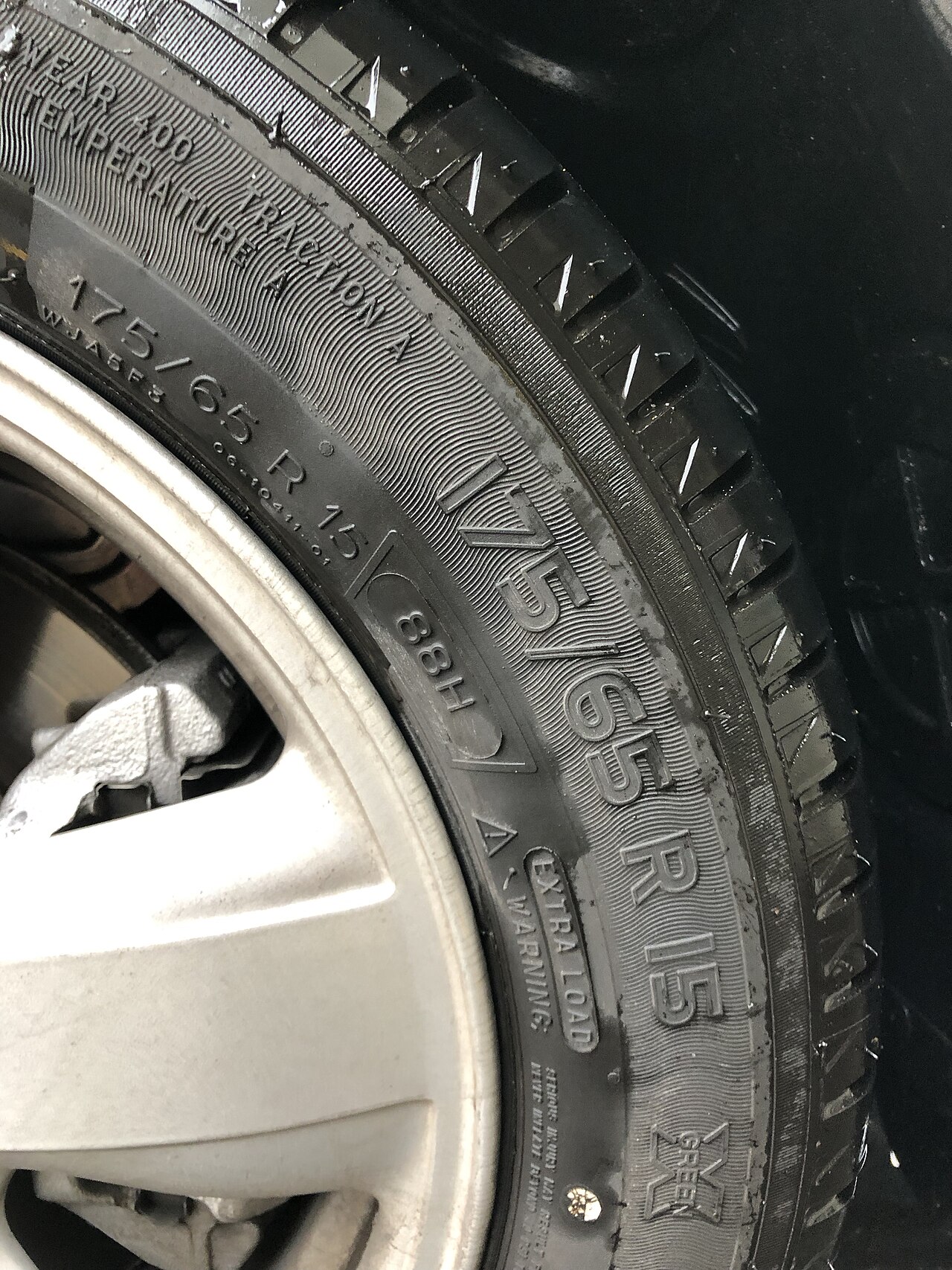

Tire care: Products and application
Tires are the only connection between the vehicle and the road. They are exposed to sun, heat, dirt and, in winter, salt. Regular tire care can keep the surface clean and help you notice changes earlier. On this page you will find a general introduction to product groups and application. You can find the category Rims and tires here; the matching guide for rims is available under Cleaning rims. If you are interested in rim cleaners, the guide to rim cleaners is worth reading.
Why tire care makes sense
Tires consist of rubber and various additives. They are exposed to UV radiation, heat, cold and chemical influences. Dirt and brake dust can settle on the surface. Regular cleaning and care help to keep the surface clean and to detect small cracks or damage earlier. This does not replace a professional inspection of the tires but is part of vehicle care.
It is important to distinguish between appearance and function. Tire care can improve the appearance and protect the surface. However, it cannot compensate for worn tires, damage or incorrect storage. Safety-relevant checks such as tread depth and tire pressure remain unaffected.
Verified test results
- We currently have no verified test results from independent publishers on this topic. As soon as published tests exist, we will add them here with their source.
What tire care can do – and what it cannot
Tire care products clean, care for or protect the rubber surface. Some products contain care oils or waxes, while others rely on a sealant. The effect depends on the product and the condition of the tire. A heavily weathered tire cannot be turned into a new one. Care cannot repair damage either.
What tire care can do:
- Remove dirt and superficial residues.
- Make the rubber surface look smoother.
- Build up a visual protective film.
- Make the next cleaning easier.
What tire care does not do:
- No repair of cracks or cuts.
- No substitute for checking tread depth and tire pressure.
- No guarantee against aging or damage.
- No improvement in driving characteristics.
Product groups at a glance
| Product group | Purpose | Application | Note |
|---|---|---|---|
| Tire cleaner | Loosen dirt and brake dust | Spray on, allow to act, brush, rinse off | Follow the manufacturer's instructions |
| Rubber care | Care for the surface | Apply thinly and allow to soak in | Do not use too much product |
| Tire care with shine | Improve appearance | Apply after cleaning | Distribute evenly |
| Rubber sealant | Build a protective film | Apply to a clean, dry tire | Not on the tread |
| Brushes and applicators | Cleaning and application | Soft brush or sponge | Store separately from paint care |
The table is for guidance and not a recommendation for a specific product. The manufacturer's instructions on the packaging take precedence. Make sure that the product matches the tire type and the desired result.
Application: Caring for tires step by step
1. Clean the tires
Begin with thorough cleaning. Remove coarse dirt with water. Apply a tire cleaner according to the manufacturer's instructions and allow it to act. Work with a soft brush and then rinse thoroughly. You do not need to care for the tread; it must remain free of care products.
2. Allow to dry
Allow the tire to dry before applying a care product. On a wet tire, the product may adhere unevenly. Dry the sidewalls with a clean cloth or let them air-dry.
3. Apply the care product thinly
Apply the rubber care or care product thinly to the tire sidewall. A sponge or an applicator helps to distribute the product evenly. Avoid a thick layer because it is absorbed less well and can attract dust.
4. Allow to act
Allow the product the specified time. Wipe off excess material with a clean cloth if the manufacturer's instructions specify this. Do not work in direct sunlight so that the product does not dry too quickly.
5. Keep the tread clear
Make sure that no care product gets onto the tread. The tread must maintain contact with the road. If product accidentally gets onto the tread, wipe it off or rinse it thoroughly with water.
Care intervals and seasons
How often you care for tires depends on use and condition. A thorough vehicle wash is a good time. In winter, salt and dirt can put more stress on the surface; in summer, UV radiation and heat are the most important influences. Regular checks are sensible regardless of whether you use a care product.
If you store tires, clean them beforehand and store them according to the manufacturer's instructions. Avoid direct sunlight, strong heat and prolonged contact with oil or chemicals. Storage is a separate aspect of tire care and is not part of cosmetic preparation.
Safety and material protection
Work with gloves and read the safety instructions on the product. Avoid contact with eyes and respiratory tract. Work in a well-ventilated area. Keep care products out of the reach of children.
For material protection: no sharp brushes, no solvents without manufacturer approval and no experiments on unknown tire surfaces. Test a new product first in a small, inconspicuous area. If the surface changes, stop and rinse with water.
Typical mistakes
- Not cleaning the tire beforehand and working dirt under the care product.
- Applying too much care product.
- Allowing care product to get onto the tread.
- Working in direct sunlight and letting the product dry on.
- Understanding tire care as a substitute for checking tread depth and tire pressure.
- Using aggressive cleaners without observing the manufacturer's instructions.
How our recommendations are created
We do not test products ourselves. We explain application, purchase criteria and safety. We only mention published test results from independent publishers together with the publisher and source.
Frequently asked questions
How often should I care for tires?
A thorough vehicle wash is a good time. Under heavy stress from salt, dirt or sun, more frequent checks can be sensible. The condition of the tires is decisive.
Which products are suitable for tire care?
There are tire cleaners, rubber care, care products with shine and sealants. Which product is suitable depends on the desired result and the manufacturer's instructions. A product for the tread is not intended.
May I apply tire care to the tread?
No. The tread must remain free of care products because it provides contact with the road. If product gets onto the tread, wipe it off or rinse it thoroughly with water.
Can tire care repair damage?
No. Tire care can clean, care for and visually protect. It does not repair cracks, cuts or worn tires. Safety-relevant checks remain necessary.
Why should I not care for tires in direct sunlight?
In direct sunlight, the product dries faster and can be distributed unevenly. Work in the shade and at moderate temperature instead.
What is part of tire care besides appearance?
Tire care also includes checking tread depth and tire pressure as well as correct storage. These points are safety-relevant and independent of cosmetic preparation.