
Key points at a glance
- A pressure washer handles the coarse pre-wash: it loosens salt residues, dust and loose dirt from the body, wheel arches and rims before you work with shampoo and a wash mitt.
- More important than the highest pressure figure in the data sheet are adjustable spray guidance, a wide flat-jet nozzle and a sufficiently long high-pressure hose.
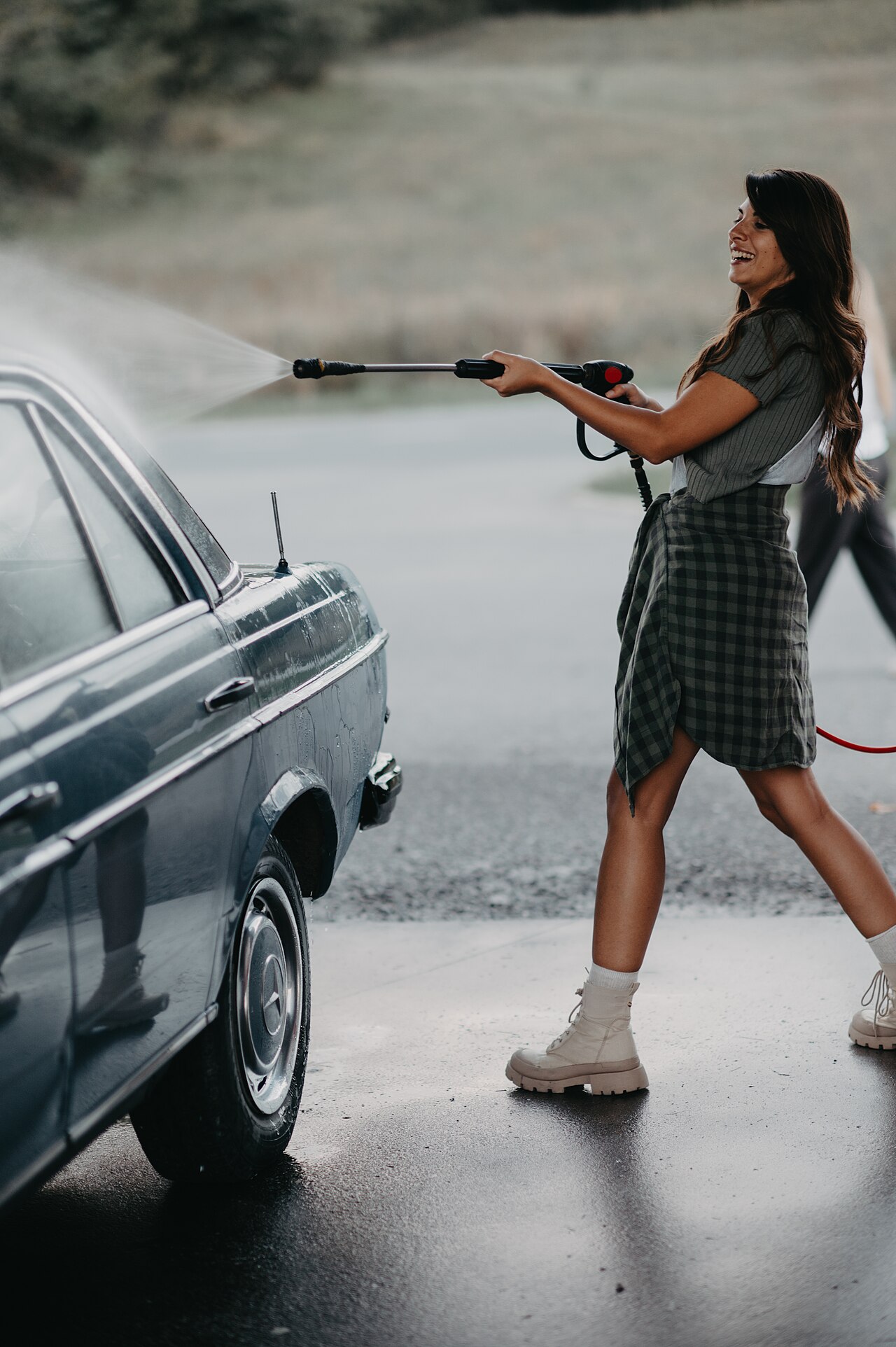
- On painted surfaces, guide the jet across the surface and at a distance from it; holding it in one spot can damage the clear coat.
- Keep films, repainted areas, seals, emblems and stickers away from the jet.
- Cleaning agents belong exclusively in the designated intake, and only agents approved for vehicle paint.
Verified test results
- We currently have no verified test results from independent publishers on this topic. As soon as published tests exist, we will add them here with their source.
When a pressure washer for cars is worthwhile
Anyone who regularly washes their car themselves knows the problem areas: the coarsest dirt sits in the wheel arches, behind the wheel spokes, along the sills and in the folds of the bumpers. With a bucket alone, it takes a long time until these areas are clean, and every additional sponge pass over the paint increases the risk of dragging dirt particles across the surface. This is exactly where the pressure washer comes in: it removes the loose and adhering coarse dirt before you even touch the vehicle.
The second advantage is time saved. A pre-wash with the jet replaces several bucket rounds and also rinses free areas that you can barely reach with the mitt – for example between the wheel arch liner and the tyre or below the door edges. If you also use a foam cannon, you can apply the cleaner as foam and let it work; how this works is described in the guide to hand washing.
A pressure washer is not a replacement for hand washing, however. It does not dissolve a stubborn film of road grime, insect remains or resin, and it does not reach the surfaces where residual dirt must be removed by rubbing. Its job is the preparatory work: loosen coarse dirt, rinse it off, make the subsequent wash gentler.
The most important parameters
Pressure and flow rate
The working pressure indicates the force with which the water exits; the flow rate indicates how much water is moved per unit of time. For vehicle washing, the interaction is decisive: a very high pressure with a low flow rate works in a pinpoint and aggressive way, while a larger amount of water at moderate pressure rinses surfaces more evenly. Therefore, make sure that the pressure can be regulated on the device – you need a low setting for sensitive components and a stronger one for wheel arches and rims.
Nozzles and spray pattern
The nozzle determines how the jet hits the surface. A flat-jet nozzle distributes the water widely and is suitable for large areas; a point-jet nozzle concentrates it and does not belong on paint. Many devices have a rotating nozzle that lets you switch between a wide and a narrow jet. For car washing, a wide, soft spray pattern is the most important setting.
Lance, hose and connections
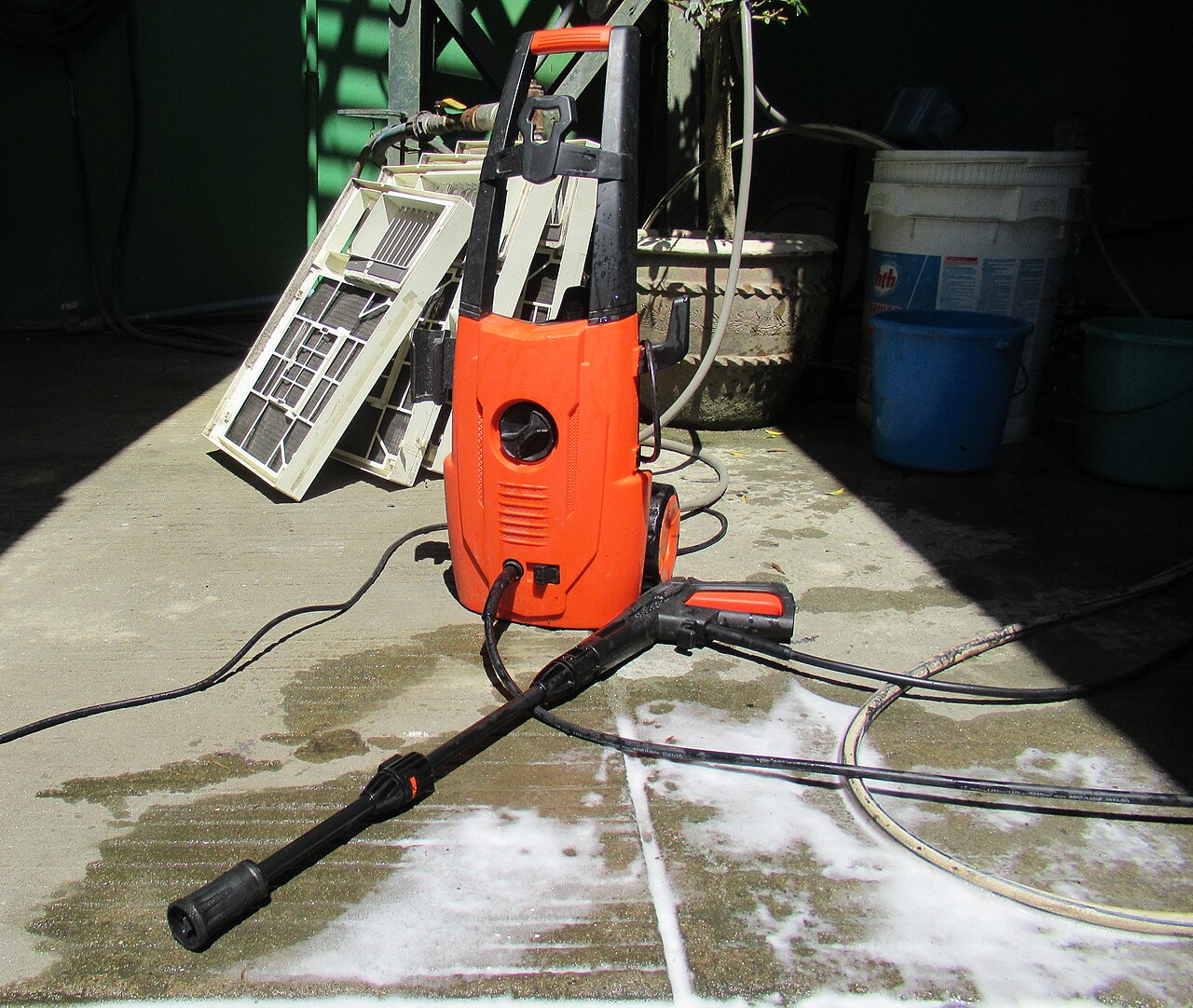
The lance should be long enough to reach the roof and the centre of the vehicle without you having to lean over the vehicle. The high-pressure hose determines the working radius: too short means you have to constantly move the device, and every repositioning is an opportunity to accidentally direct the jet at sensitive parts. Also check whether the couplings fit your accessories – adapters are usually available, but a uniform system saves work.
Cleaning agent intake
Many devices draw cleaning agent through a small hose and mix it into the water jet. This function is practical for pre-washing, but it does not replace manual dosing: the agent is heavily diluted and ends up in the environment. Use only cleaners approved for vehicle paint, and rinse the intake with clear water after use so that no residues dry on.
Power supply and mobility
Mains-powered devices run continuously and are suitable for longer washes, but they need a socket within reach and an extension cable with a sufficient cross-section. Battery-powered devices are independent of the socket, but battery runtime limits the duration of use. If you do not have a fixed washing area with power, choose a battery-powered device or a compact mains device with a long hose.
Types at a glance
| Type | Typical use situation | Strengths | Limitations |
|---|---|---|---|
| Cold-water pressure washer with mains connection | Regular washing at your own parking space | Continuous operation, adjustable pressure, lots of accessories | Requires power connection and space |
| Battery-powered pressure washer | Washing without a socket, occasional use | Mobile, quick to set up | Limited runtime, usually lower flow rate |
| Stationary device with hose reel | Fixed washing area with water connection | Short setup time, tidy hose routing | Not portable |
| Hot-water cleaner | Workshop use, heavy soiling | Loosens greasy soiling more easily | More effort, not permitted everywhere |
For private vehicle washing, a cold-water device with adjustable pressure is the obvious choice. Hot water is particularly worthwhile where greasy soiling occurs regularly – in private use, the difference in the result is usually smaller than the difference in effort.
What to look for when buying
- Adjustable pressure: A low setting for paint and film, a higher one for wheel arches and rims.
- Wide flat-jet nozzle: For vehicle washing, it is more important than a point-jet nozzle.
- Hose length: It determines how often you have to move the device.
- Suitable accessory system: Nozzles, lances and brushes should fit the device series.
- Cleaning agent intake: Only useful if you can rinse it regularly.
- Weight and wheels: A heavy device without wheels quickly becomes a burden.
- Water connection: Check whether the device can draw from a bucket if there is no tap nearby.
- Noise level: A quiet device is more pleasant in a residential environment, especially early in the morning.
An overview of other device groups can be found in the device buying advice and in the devices category.
Step by step: washing a car with a pressure washer
- Prepare. Park the vehicle in the shade so that the water does not dry immediately, and clear the work area.
- Coarse cleaning without the jet. Remove leaves, sand and coarse dirt by hand or with a soft brush so that nothing gets into the jet.
- Select a low setting. Start with the softest setting and a wide nozzle.
- Work from top to bottom. Start at the roof and work your way down over the bonnet, sides and sills so that dirt does not run over areas that are already clean.
- Keep your distance. Guide the lance over the surface at a consistent distance and keep it moving; never hold the jet in one spot.
- Avoid sensitive areas. Clean seals, emblems, stickers, film edges and repainted areas with a sponge or brush instead of the jet.
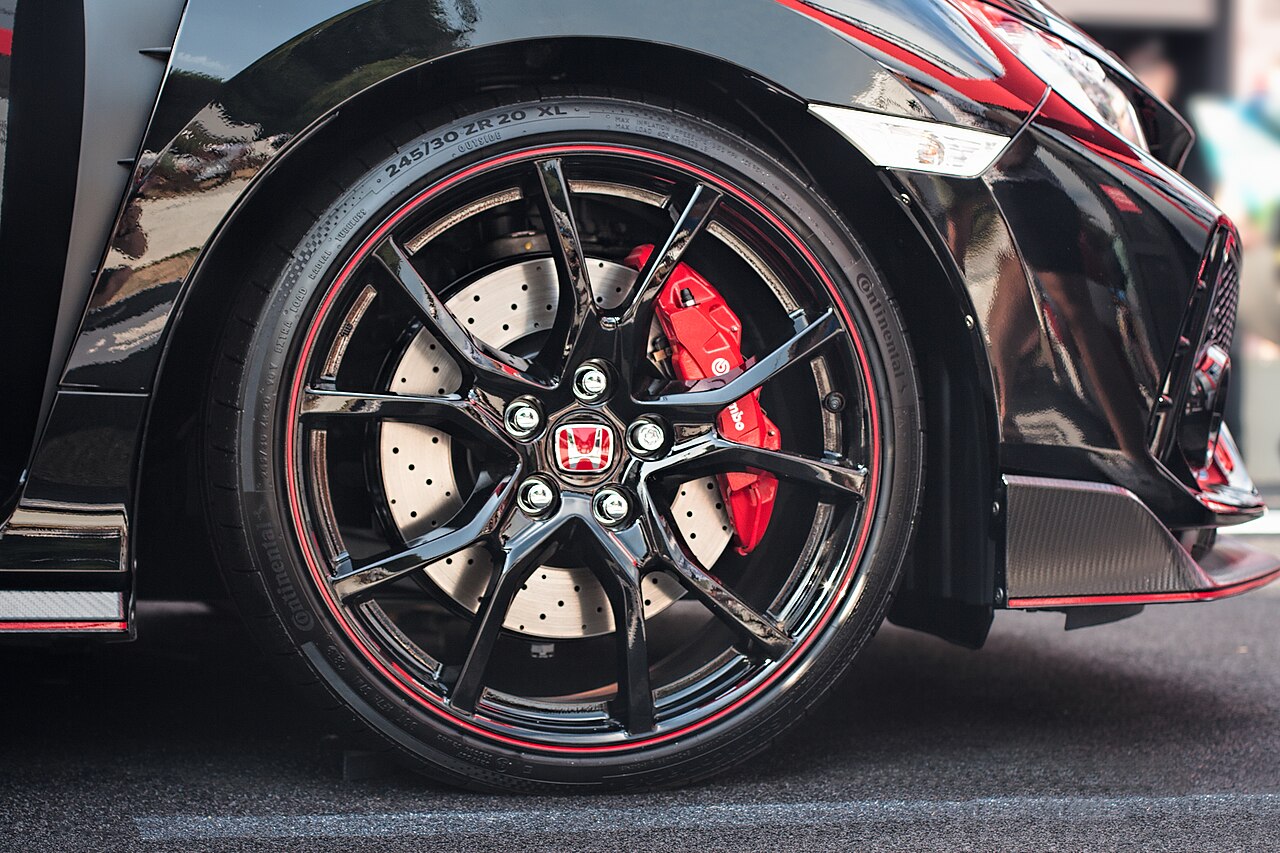
- Wheel arches and rims separately. A stronger setting makes sense here; also work in motion there and not in a pinpoint manner on rim paint or brake discs.
- Apply foam or shampoo. After the pre-wash comes the actual wash with shampoo and mitt, then rinse with clear water.
- Dry. Pick up the remaining water with an absorbent cloth so that no limescale stains remain.
Typical mistakes
- Too close to the paint. The most common mistake is too small a distance. The jet then digs into the clear coat or lifts paint at edges.
- Pointwise instead of across the surface. Anyone who holds the lance on one spot concentrates all the energy on a few square centimetres.
- Wrong nozzle. A point-jet nozzle belongs on the drain, not on the bonnet.
- Rinsed too late. Cleaning agent that dries leaves streaks and is harder to remove.
- Dirty intake. Cleaning agent hoses that have not been rinsed clog and draw residues into the jet.
- Water from a standing source. Sand and particles from an open rain barrel can damage nozzles and paint.
Safety and storage
Work with gloves and safety glasses, especially when using cleaning agents. The jet can loosen particles that fly towards your face. Never point the lance at people or animals and switch off the device before changing nozzles.
Observe the manufacturer's specifications on pressure, cleaning agents and maintenance. After use, empty the water tank and the line, rinse the cleaning agent intake with clear water and store the device frost-free – residual water in the pump and hose can damage components in frost. Coil the high-pressure hose without sharp kinks.
Before each use, check the cable, plug and hose for damage. A damaged cable must not be put into operation. If you wash in a rented or shared area, find out beforehand about the local rules for handling water and cleaning agents.
Suitable accessories
Accessories that fulfil a task you have regularly are useful: a wide flat-jet nozzle for large areas, a foam lance for pre-washing, a soft washing brush for wheel arches and an extension pipe for the roof and centre of the vehicle. A water filter on the intake hose keeps particles out of the pump. For the subsequent hand wash, you need two buckets, a wash mitt and absorbent drying cloths.
If you also want to polish by machine, you will find the basics in the guide to the polishing machine.
How our recommendations are created
We do not test ourselves. We evaluate published tests by independent publishers and cite them with source. Where no substantiated ratings are available for a topic, it remains a buying guide and instructions without ratings – as here: on this page you will find criteria, application and notes, but no own rating of devices.
Frequently asked questions
How much pressure can car paint withstand?
There is no blanket figure because paint condition, age and pre-treatment vary greatly. You are safe with a low, adjustable setting, a wide nozzle and constant movement of the lance. For films, repainted areas and edges, it is better to avoid the jet entirely.
Can I clean rims with the pressure washer?
Yes, with a stronger setting and in motion. Do not hold the jet continuously on rim paint, valves, wheel bolts or brake discs, and for sensitive rims it is better to work with a brush and rim cleaner.
Do I need a hot-water cleaner?
For private vehicle washing, as a rule, no. Hot water loosens greasy soiling more easily, but it is more involved and not permitted everywhere. A cold-water device with adjustable pressure covers normal washing.
How close may I get to the paint?
Keep the lance at a clear distance and check on an inconspicuous spot how the paint reacts. The closer the nozzle, the stronger the jet – if in doubt, move further away and work for longer.
Can I use the pressure washer in winter?
Yes, but only with frost-free storage and an emptied device. Residual water in the pump and hose can be damaged by frost. Work quickly in winter and then dry the vehicle thoroughly so that salt residues do not remain on the surface.
What do I do with the residual water?
Empty the tank and line after washing and rinse the cleaning agent intake with clear water. Dispose of the residual water as local rules provide – cleaning agent residues do not belong in the garden or in the sewer without consulting the local waste disposal service.