We do not test products ourselves. The editorial overall rating (0–100) is calculated according to fixed rules from published test results and other documented data. We name external test grades separately with publisher and link. We do not rate products with too little documented data. Commissions have no influence on the order.
Product names, product descriptions, criteria and external test results are shown in the German original.
Advertising link: if you buy through this link, we receive a commission. The price does not change for you. As an Amazon Associate we earn from qualifying purchases.
Advertising link: if you buy through this link, we receive a commission. The price does not change for you. As an Amazon Associate we earn from qualifying purchases.
Advertising link: if you buy through this link, we receive a commission. The price does not change for you. As an Amazon Associate we earn from qualifying purchases.
Advertising link: if you buy through this link, we receive a commission. The price does not change for you. As an Amazon Associate we earn from qualifying purchases.
Advertising link: if you buy through this link, we receive a commission. The price does not change for you. As an Amazon Associate we earn from qualifying purchases.
Advertising link: if you buy through this link, we receive a commission. The price does not change for you. As an Amazon Associate we earn from qualifying purchases.
Car wax protects the paint from weather and makes cleaning easier.
Spray wax is quick to apply, while paste wax and liquid wax are suitable for a more thorough session.
Before waxing, the paint must be clean and free of coarse contaminants.
Apply thinly, polish evenly and do not work in direct sunlight.
For longer-lasting protection, a ceramic coating can be an alternative.
Verified test results
Grades and ratings from comparison tests by independent publishers, each with its source (grades as published in German). We do not test products ourselves; the rating and the method are the responsibility of each publisher.
Car wax is a classic form of paint care. It forms a thin layer on the paint, makes water bead off and makes dirt easier to wash off. There are several variants for application, which differ mainly in consistency, time required and handling.
Variant
Typical application
Advantages
Disadvantages
Paste wax
Apply thinly with a sponge or cloth, allow to dry, polish off
Classic processing, easy to dose
More time required, hard to polish off if too much wax is used
Liquid wax
Distribute with an applicator or cloth, then polish off
Easy to distribute, even application
Can leave streaks if dosed unevenly
Spray wax
Spray on after washing, distribute, wipe off
Very quick, good for refreshing
Requires more frequent application, less economical on large areas
The choice depends on how much time you want to invest and how often you refresh the paint. Spray wax is suitable for quick care after washing. Paste wax and liquid wax require more time, but can be applied specifically thinly and evenly.
Buying criteria for car wax
When buying, pay attention not only to the name but to the properties that suit your vehicle and your routine.
Wax type: Paste, liquid wax or spray wax. Spray wax is practical for quick sessions, paste wax for deliberate application.
Processing: The product should spread thinly and be polishable without heavy rubbing.
Compatibility: Observe the manufacturer's instructions regarding paint and test unknown products in an inconspicuous area.
Quantity: A small amount is usually enough. Too much wax makes polishing off more difficult.
Accessories: Clean microfiber cloths and a soft applicator are more important than a large bottle.
Storage: Wax does not like extreme heat or cold. Close the pack properly and store it dry.
Products at a glance
The evaluated publications from AUTO BILD and motor.com.de mention the following products, among others. The documented ratings are shown in the ranking on this page.
Dr. Wack A1 High End Spray Wax
Dr. Wack A1 High End Spray Wax is a spray wax. Spray waxes are applied thinly after washing and distributed with a clean microfiber cloth. AUTO BILD mentions the product in its overview of paint sealants.
RotWeiss Sprühwachs is a spray wax for quick paint care. It is therefore one of the products that can be used after a wash without much time. The classification as a spray wax follows AUTO BILD's overview.
Nigrin Brillant-Wachs Turbo is a wax. Waxes of this type are applied thinly to cleaned paint and then polished off. AUTO BILD lists the product in its overview of paint sealants.
Herrenfahrt Sprühwachs Schnellversiegelung is a spray wax. The name indicates quick application; the classification as a spray wax comes from AUTO BILD's overview.
Koch Chemie Hydro1 Wax is a product for paint sealing. motor.com.de mentions it in its overview of car care products. The manufacturer's instructions apply for use.
Meguiars Ultimate Liquid Wax is a liquid wax. Liquid wax can be spread thinly and polished off with a cloth. motor.com.de lists the product in its overview of car care products.
Clean preparation determines whether the wax adheres evenly and later leaves no streaks.
Wash the car: Remove dust, insect residue and coarse dirt with shampoo and plenty of water. Work from top to bottom.
Dry: Dry the paint with a clean cloth or a soft dryer. Residual water can make the application uneven.
Check the paint: Feel the paint with your hand. If it feels rough, a detailing clay or a polish may be useful.
Apply wax thinly: Put a small amount on an applicator or spray it on thinly. Distribute the product evenly without collecting large amounts.
Allow to dry: Follow the manufacturer's instructions. Wax should not be processed in direct sunlight or on hot paint.
Polish off: Wipe off the layer with a clean microfiber cloth. Change the cloth when it becomes clogged with wax.
Typical mistakes when waxing
Too much wax: A thin layer is enough. Thick layers are hard to polish off and leave streaks.
Hot paint or direct sun: The wax dries too quickly and cannot be distributed evenly.
Dirty paint: Working on dust or fine grains of sand can scratch the paint.
Wrong cloth: Coarse or dirty cloths leave fine scratches. Use clean microfiber cloths.
Incomplete polishing: Residue can remain visible as milky haze.
Areas too large at once: Work in sections so that the wax does not dry before you polish it off.
Safety and storage
Wax is a care product and requires careful handling. Wear gloves during processing if you have sensitive skin, and work in well-ventilated areas. Avoid contact with eyes and mucous membranes. Observe the manufacturer's instructions on the pack, especially regarding temperature, contact time and compatibility. Store wax cool, dry and out of the reach of children. Do not leave it in direct sunlight.
Suitable accessories
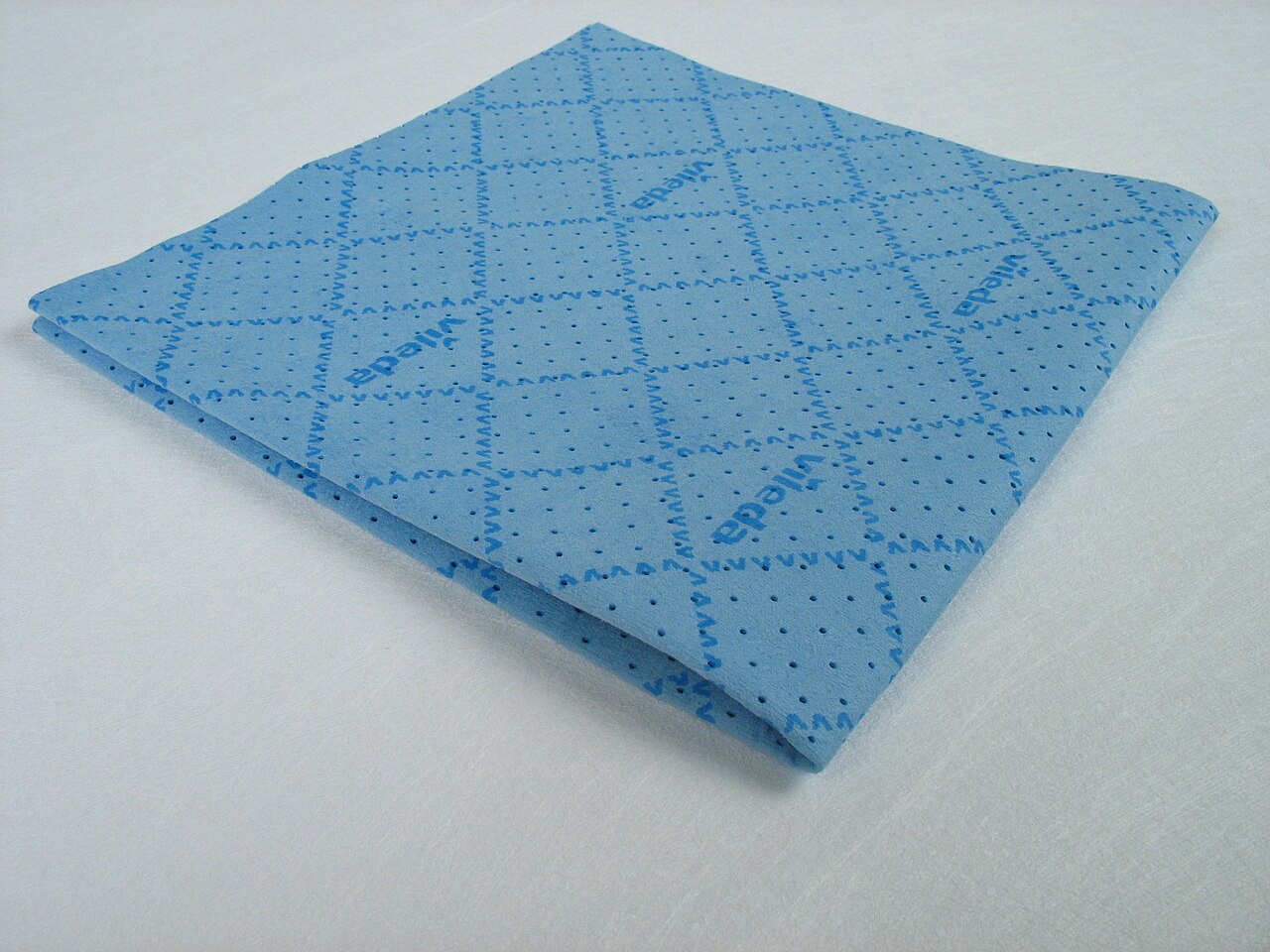
Microfiber cloths: For polishing off and for checking the surface.
Applicator: Soft and clean so that the wax is distributed evenly.
Wash mitt and bucket: For thorough washing before waxing.
Polish: If the paint has dull spots or fine scratches, preparation may be useful. You can find instructions under Car polish.
Ceramic coating: If you are looking for longer-lasting protection, ceramic coating is an alternative to wax.
How our recommendations are created
We do not test ourselves. We evaluate published tests by independent publishers and cite them as sources. The ranking is calculated by the system from the documented ratings; commissions have no influence on the order. Product names and classifications are only mentioned if they are documented by a source.
Frequently asked questions
How often should I wax my car?
That depends on use, weather and product. A vehicle that is parked outside a lot needs refreshing more often than a garage car. Check the paint after washing: if water no longer beads off, a new application is useful.
Can I apply wax to freshly painted surfaces?
Fresh paint needs time to cure. Follow the painter's or manufacturer's instructions before applying wax.
What is the difference between wax and sealant?
Wax is a classic protective layer that can be refreshed easily. A sealant can last longer depending on the product and is processed differently. Preparation, time required and desired durability are what matter for the decision.
Can I apply spray wax to wet paint?
That depends on the product. Some spray waxes are intended for use on wet paint, others are not. Read the manufacturer's instructions and, if in doubt, work on dry paint.
Why does my wax become patchy?
Common causes are too much wax, paint that is too warm, uneven polishing or a dirty cloth. Work thinly, in sections and with a clean microfiber cloth.
Conclusion
Car wax is a simple way to protect the paint and make cleaning easier. Spray wax fits into a quick care routine, paste wax and liquid wax into a more thorough session. What matters is clean paint, a thin layer and clean polishing. If you want to read more about preparation, you can find further instructions in the Paint care category.