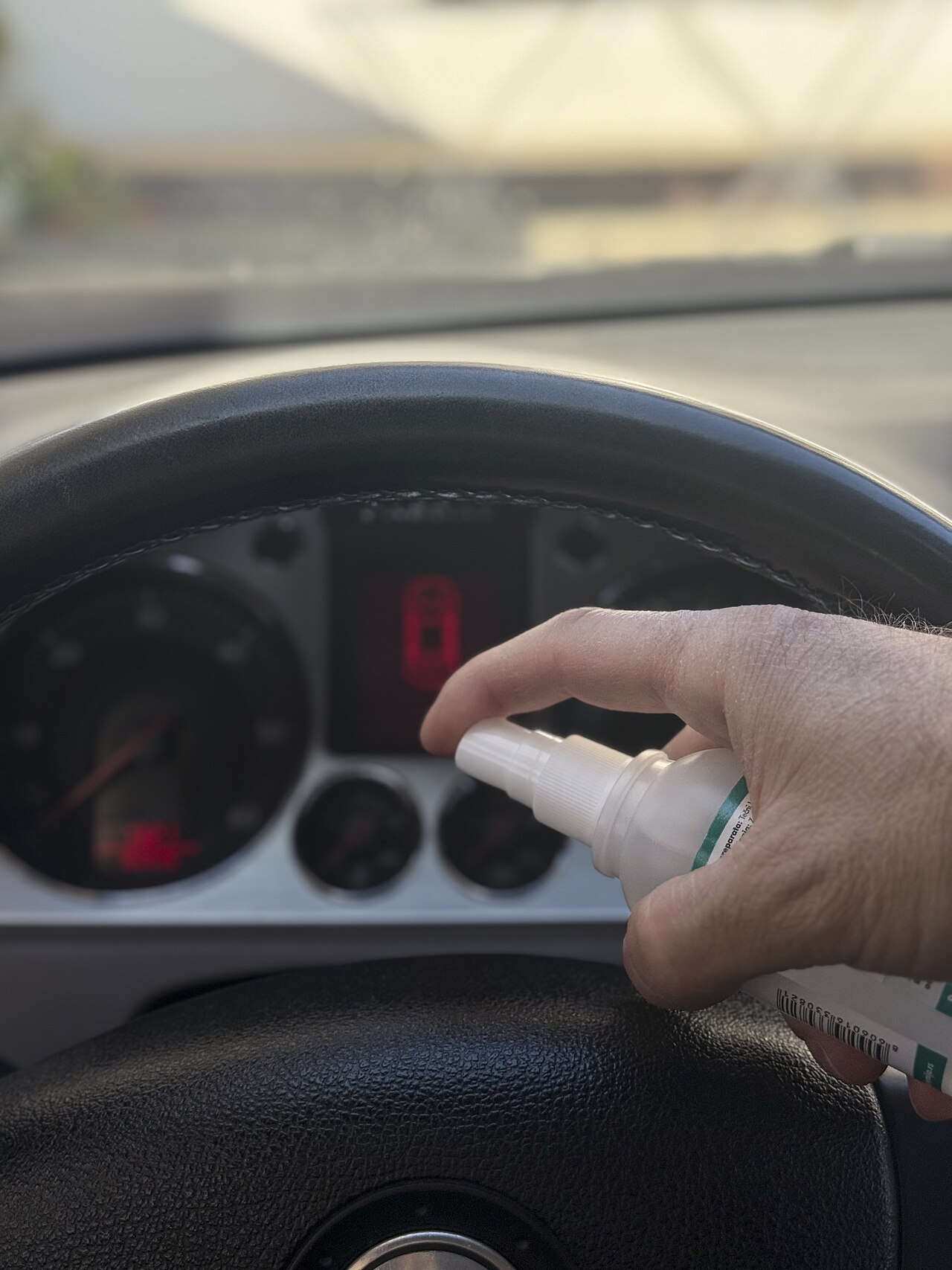

Interior cleaning: cockpit, leather and upholstery
A well-kept interior makes every drive more pleasant. Dust, crumbs and fingerprints quickly settle on the dashboard, steering wheel and seats. On this page you get an overview of the interior areas, suitable cleaning processes and what you should pay attention to with different materials. For individual topics, our guides take you deeper into practical application.
What does interior cleaning include?
Interior cleaning includes the cockpit with dashboard, steering wheel and center console, the fabric or leather seats, carpets and floor mats as well as door panels and headliner. Each area requires its own approach because materials react with different levels of sensitivity. Plastic, leather, fabric and glass do not tolerate the same cleaning agents. It is therefore worth briefly checking which surfaces are installed in the vehicle before starting.
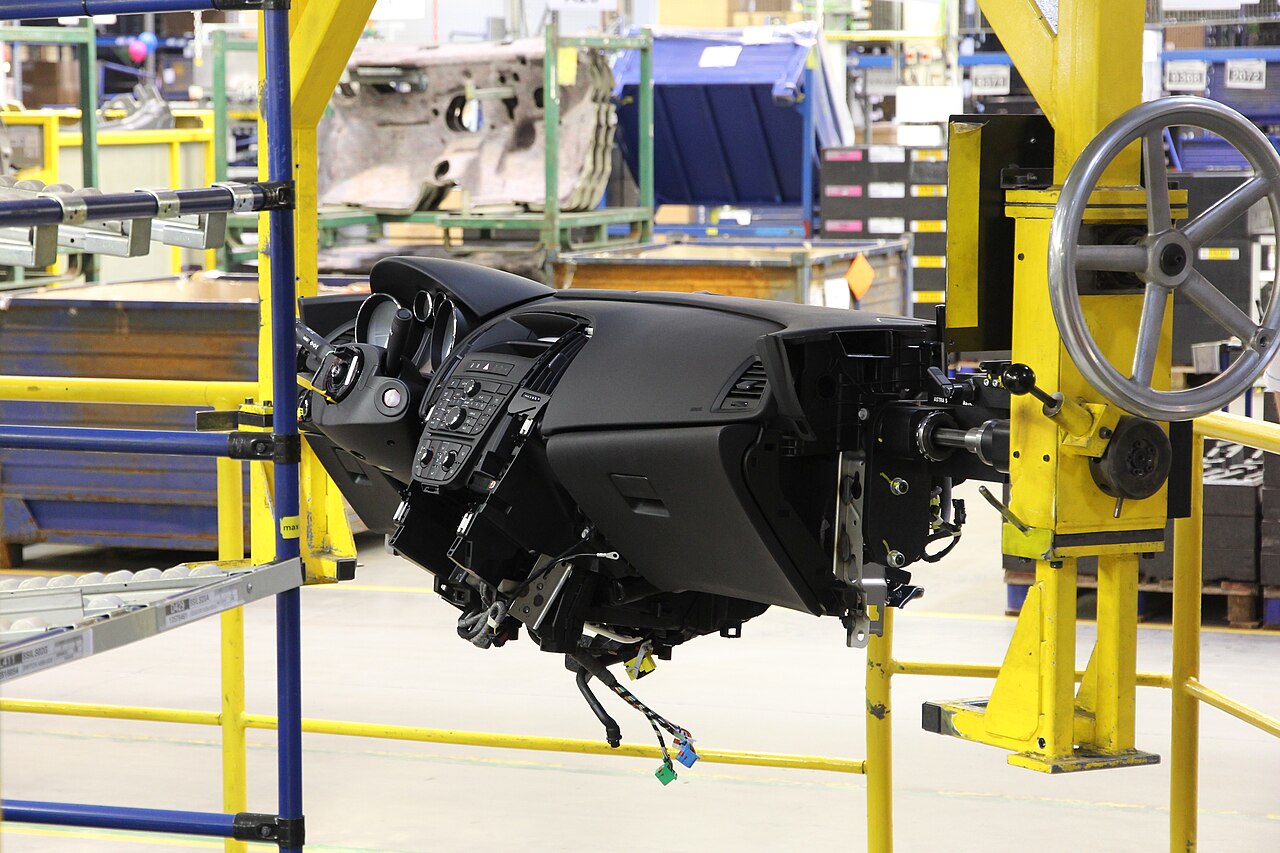
Cleaning the cockpit
Dust and fingerprints collect particularly quickly in the cockpit. Start by emptying the compartments and vacuuming up loose crumbs. Soft cloths and a mild cleaning agent are suitable for the dashboard, center console and door panels. Work with little moisture so that nothing runs into crevices or electrical components. Please wipe display surfaces and piano black only with a dry or slightly damp microfiber cloth to avoid scratches. Our guide to cockpit care explains how to proceed step by step when caring for the cockpit.
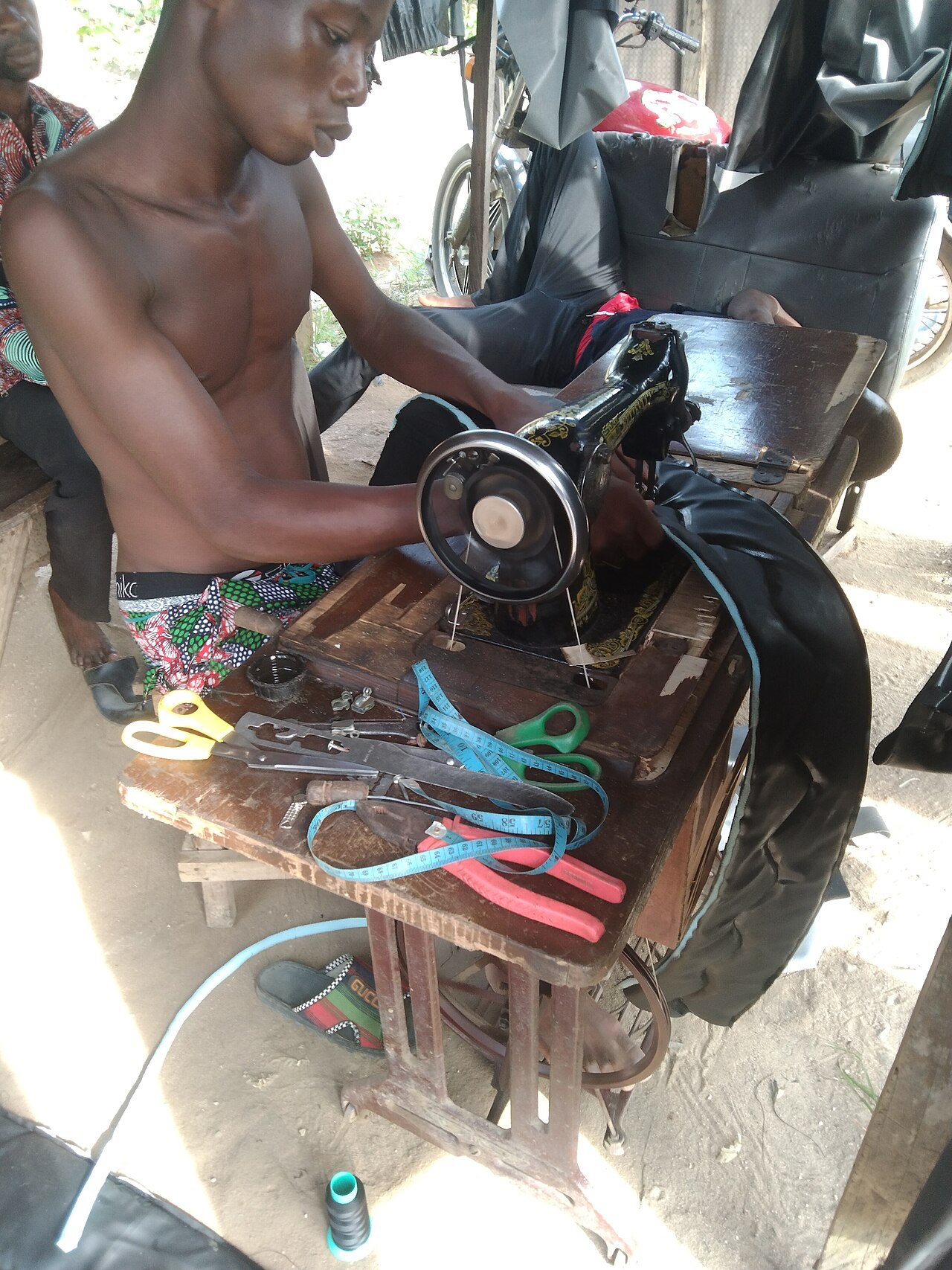
Caring for leather
Leather is a natural material and reacts sensitively to aggressive cleaners and too much water. First dust leather seats dry. For cleaning, it is better to use a special leather cleaning agent and work in small sections. Then care for the leather with a leather care product so that it remains supple. Test every product first in an inconspicuous place. You can find more on this in our guide to leather care.
Upholstery and carpets
Fabric seats, carpets and floor mats are best cleaned with a vacuum cleaner. Mild upholstery cleaners and a clean cloth are suitable for stains. Dab stains instead of rubbing them so that the dirt does not get deeper into the fabric. After cleaning, you should ventilate the interior well so that the upholstery dries. Avoid using wet seats immediately.
Step by step to a clean interior
- Empty and rough clean: Remove rubbish, bottles and loose objects from the compartments.
- Vacuum: Vacuum carpets, floor mats and seats thoroughly. Use the crevice nozzle for crevices.
- Cockpit: Clean the dashboard, steering wheel and center console with a soft cloth and a little cleaning agent.
- Leather: Clean and care for leather seats with suitable products in small sections.
- Upholstery: Treat stains on fabrics with a mild upholstery cleaner and dab them off.
- Dry and ventilate: Let the interior dry well and ventilate during this time.
You can find detailed instructions with all steps in our guide to interior cleaning.
Common mistakes
- Using too much water: Moisture can penetrate upholstery, crevices and electrical components.
- Using aggressive cleaners: They can attack plastic, leather and display surfaces.
- Working in direct sunlight: Cleaning agents dry too quickly and leave streaks.
- Wiping dirt dry: Crumbs can cause scratches when wiping. Therefore vacuum first.
How often should I clean the interior?
That depends on use. With a lot of dust, children or pets, regular cleaning is sensible. Thorough interior cleaning is advisable when the interior is visibly dirty or smells unpleasant.
Which cloths are suitable for the interior?
Soft microfiber cloths are suitable for many surfaces. For sensitive surfaces such as displays or piano black, you should use particularly clean and soft cloths. Change the cloths regularly so that you do not spread dirt.
Can I clean leather with household remedies?
Caution is advised with leather. Aggressive household remedies can dry out or discolour the material. Special leather cleaning and care products are better. Test every product first in a hidden place.
What helps against odours in the interior?
Ventilate regularly and remove the cause of odours, for example rubbish or spilled liquids. Upholstery and carpets should dry completely. For persistent odours, professional interior cleaning can be sensible.
How do I avoid scratches on plastic and displays?
Work with soft cloths and little pressure. Remove dust dry first so that no particles scratch during wiping. On displays and piano black, you should avoid aggressive cleaners.
Conclusion
Interior cleaning works best when you proceed systematically: first empty and vacuum, then clean the individual areas according to material and finally let everything dry well. For the cockpit, leather and complete interior cleaning, you will find the suitable guides on this page.