
Preparation
Before you start cleaning the interior, create clear surfaces and a good working environment. Remove loose objects from the vehicle, open doors or windows for good ventilation and have the required cloths and cleaners ready. This prevents dirt from being spread during the work.
Vacuum coarse dust and crumbs first. Start at the top and work downwards so that dust does not fall onto surfaces that have already been cleaned. For the rest of the cleaning, it helps to divide the interior into areas: dashboard and center console, seats, carpets and floor mats as well as doors and storage compartments.
Verified test results
- We currently have no verified test results from independent publishers on this topic. As soon as published tests exist, we will add them here with their source.
Step by step: cleaning the interior
- Rough cleaning: Remove rubbish, loose objects and coarse dirt from the storage compartments.
- Vacuuming: Vacuum carpets, floor mats, seats and crevices thoroughly.
- Start at the top: Clean the dashboard, center console and door trims before the lower areas.
- Change cloths: Use separate cloths for coarse dirt and for wiping afterwards.
- Treat seats: Treat fabric or leather surfaces with suitable products and little moisture, depending on the material.
- Carpets and mats: Clean floor mats separately and let them dry completely before putting them back.
- Allow to dry: Ventilate the interior well and check whether all surfaces are dry.
Materials and aids
- Microfibre cloths in several colours for different areas
- Soft brushes for crevices, ventilation grilles and hard-to-reach places
- Vacuum cleaner with suitable nozzles for carpets and seats
- Bin bag for the waste produced
- Mild cleaning solution or a product suitable for the respective material
- Gloves if needed
Typical mistakes
- Applying too much moisture to seats, carpets or electrical components.
- Starting cleaning at the bottom and spreading dirt upwards.
- Using the same cloth for coarse dirt and for sensitive surfaces.
- Spraying cleaner directly onto displays, switches or speaker grilles.
- Putting floor mats back while damp and not allowing the interior to dry sufficiently.
- Using aggressive products on unknown materials without testing them beforehand.
Safety and storage
Work with good ventilation and observe the manufacturer's instructions for the cleaning agents used. Test unknown products in a concealed place. Keep cleaners out of the reach of children and store them in accordance with the information on the packaging. Avoid direct sunlight during cleaning so that surfaces dry evenly.
Frequently asked questions
How often should I clean the car interior?
This depends on use, passengers, pets and dust exposure. Regular basic cleaning with vacuuming and wiping is usually easier than rare intensive cleaning.
What should I use to clean the dashboard?
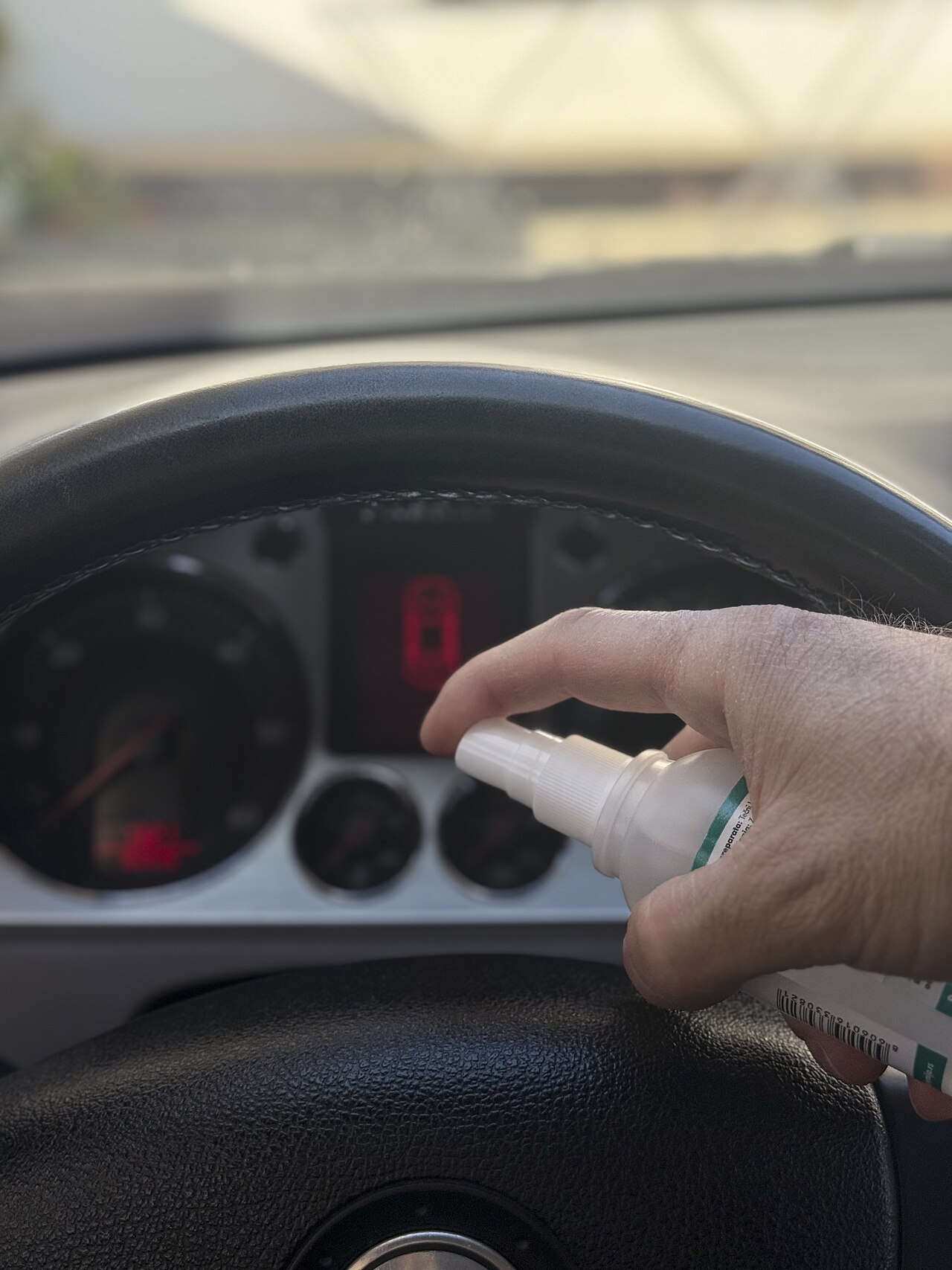
Use a soft cloth and little cleaner. Spray the cleaner onto the cloth and not directly onto sensitive surfaces. For choosing a suitable cockpit cleaner, you can find further information in the cockpit care test.
Can I clean seats and carpets with plenty of water?
Caution is advisable: too much moisture can cause long drying times and put strain on sensitive components. It is better to work with little moisture and vacuum well.
What belongs to the basic equipment for interior cleaning?
Microfibre cloths, a vacuum cleaner, a soft brush and a bin bag cover many tasks. Depending on the material, suitable cleaners for plastic, fabric or leather are added.
How do I avoid streaks on plastic?
Work with little cleaner, wipe afterwards with a clean cloth and let the surface dry. A dry cloth for wiping afterwards helps to avoid residues.
Conclusion
Thorough interior cleaning follows a simple order: prepare, vacuum, clean from top to bottom and allow to dry well. With a few aids and little moisture, the interior stays clean and the materials are protected. You can find an overview of interior cleaning topics on the category page.