We do not test products ourselves. The editorial overall rating (0–100) is calculated according to fixed rules from published test results and other documented data. We name external test grades separately with publisher and link. We do not rate products with too little documented data. Commissions have no influence on the order.
Product names, product descriptions, criteria and external test results are shown in the German original.
Advertising link: if you buy through this link, we receive a commission. The price does not change for you. As an Amazon Associate we earn from qualifying purchases.
Advertising link: if you buy through this link, we receive a commission. The price does not change for you. As an Amazon Associate we earn from qualifying purchases.
Not sufficiently ratable (too little documented data): Thicky Sticky Snow Foam
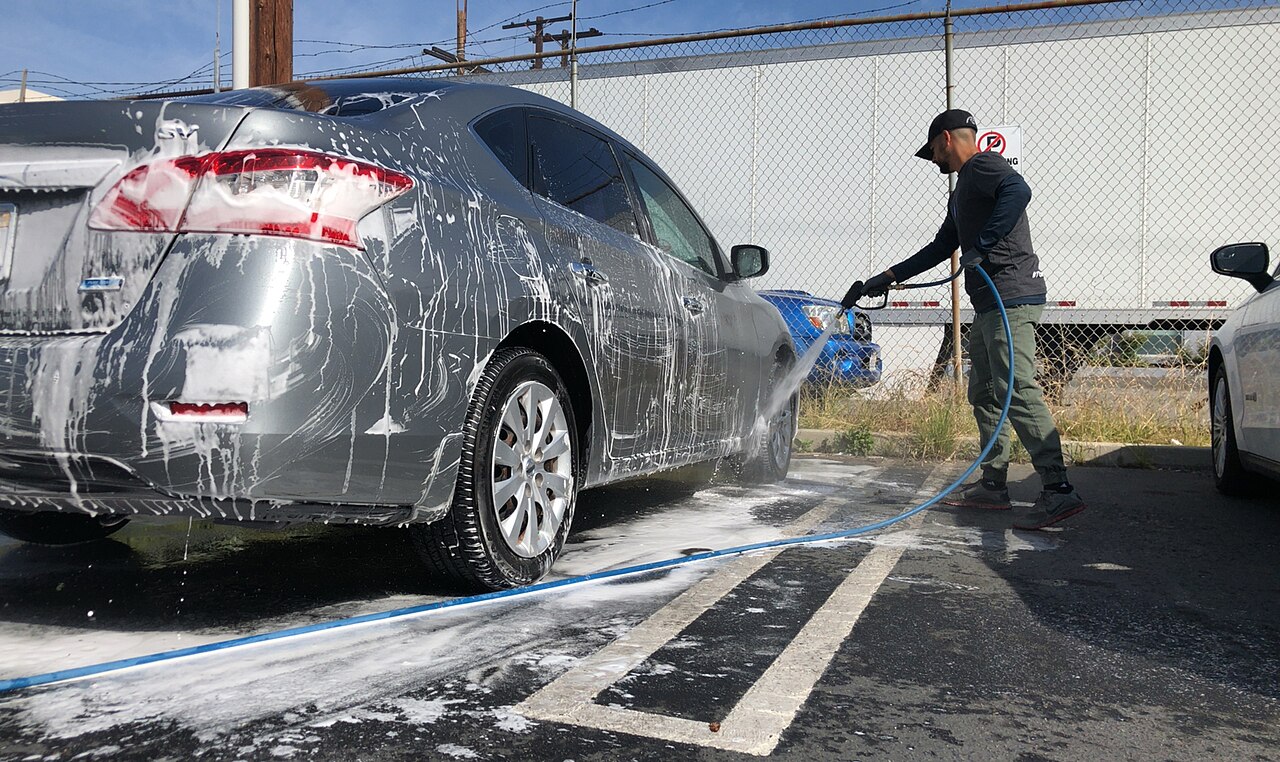
A foam cannon distributes Snow Foam as a thick foam on the paint and loosens loose dirt before you wash by hand.
There are two ways: a lance for the pressure washer and a hand foamer for a garden hose or pressure sprayer.
What matters is the fit to your own device, an even foam pattern and an adjustable nozzle.
Dosage, dwell time and compatibility are stated on the shampoo label – follow them.
After rinsing, hand washing follows so that as little dirt as possible ends up in the wash mitt.
Verified test results
Grades and ratings from comparison tests by independent publishers, each with its source (grades as published in German). We do not test products ourselves; the rating and the method are the responsibility of each publisher.
Dr. Wack A1 Power Foam Shampoo – AUTO BILD: „Note 1,2 (sehr gut), 189 von 200 Punkten“ (source: Snow Foam Shampoos im AUTO BILD-Test, retrieved on 17 Nov 2026)
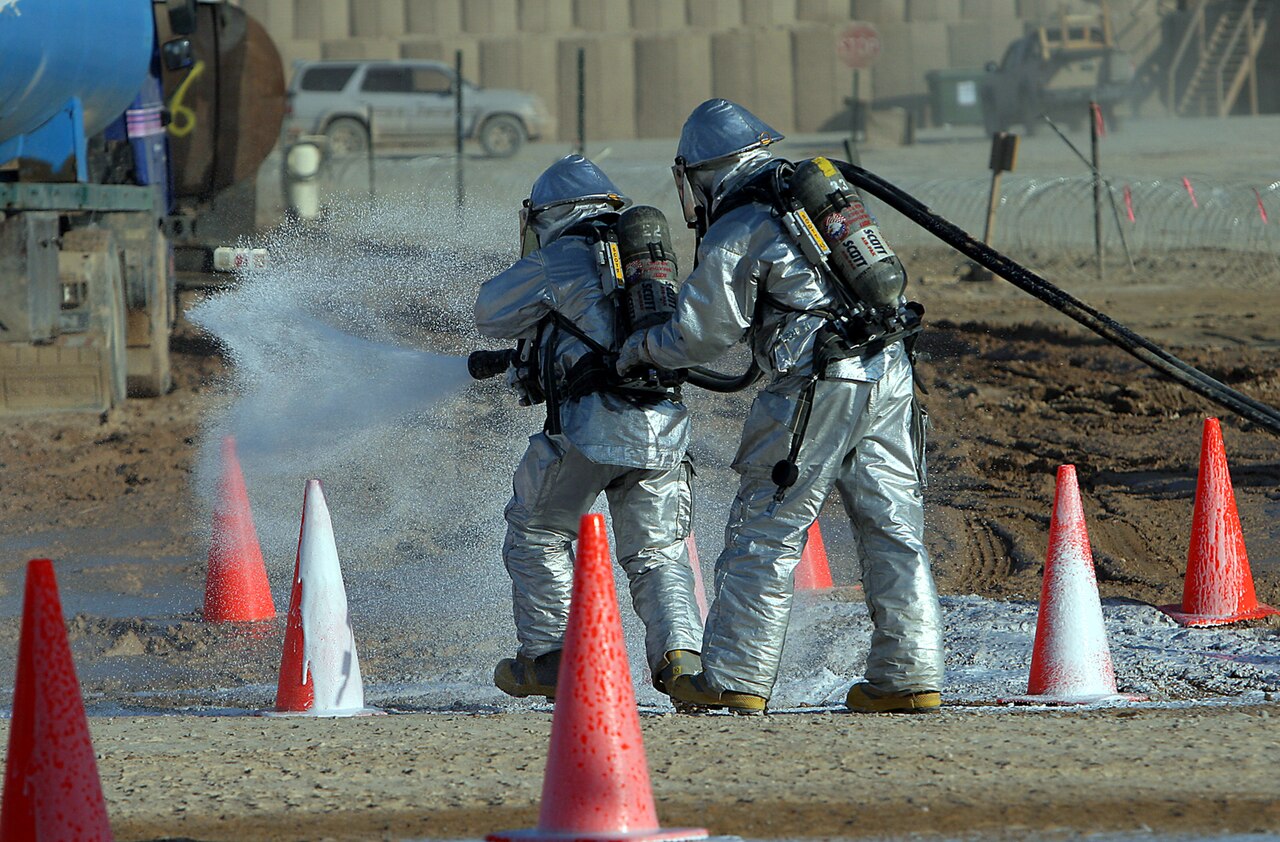
A foam cannon is an attachment that mixes cleaning solution with water and air and applies it to the vehicle surface as a foam blanket. The foam runs off slowly, remains on the paint for a few minutes and softens dust, road dirt and insect remains. The cleaning effect comes from the interaction of cleaning solution, dwell time and mechanical action: the foam loosens dirt, and the dirt is removed during washing.
The practical benefit lies in the process. Because the coarsest dirt is rinsed off beforehand, you work over the paint with a cleaner wash mitt during contact washing. That is exactly where most fine scratches occur – not through washing itself, but through a cloth that holds sand and dust and drags it across the surface.
A foam cannon therefore does not replace hand washing; it prepares for it. Anyone who only applies the foam and then rinses with clear water leaves behind a residual film of loosened dirt and shampoo residues. The pre-wash is the first step, contact washing the second.
Snow Foam: the job of the pre-wash
Snow Foam is a shampoo designed for strong foaming. The foam should hold on the vertical surface long enough to loosen dirt and still be rinsable without residue. That is exactly what distinguishes a Snow Foam shampoo from a classic wash shampoo intended for the bucket.
For the pre-wash, the rule is: lots of foam, little mechanical action. You apply the foam, let it work and rinse it off with clear water. Only then do you pick up the wash mitt and bucket. How long the foam may dwell is stated on the label of the respective shampoo; this information takes precedence over all rules of thumb from the internet.
Anyone who skips the pre-wash washes the coarsest dirt directly into the mitt. Anyone who overdoes it and lets the foam dry produces streaks and residues that can only be removed with additional mechanical action. The sensible range lies in between.
Buying criteria: what to look for in a foam cannon
A foam cannon is not a complicated device, but the differences lie in details that quickly become noticeable in everyday use.
Criterion
Why it matters
How to recognize it
Fit to the device
A lance that does not sit properly sprays or comes loose under pressure
Compare connection and adapter according to manufacturer specifications
Foam pattern
Thicker foam runs off more slowly and stays on the paint longer
Adjustable air supply, description of the foam pattern
Adjustable nozzle
Spray pattern and foam thickness can be adapted to the surface and level of dirt
Rotary control on the nozzle or bottle
Material and seals
Leaks cost pressure and working time
Check housing, threads and replacement seals
Bottle volume
A larger bottle means less refilling in the middle of a pass
Manufacturer's volume specification
Cleanability
Dried shampoo residues clog nozzles
Can be dismantled, rinsed, spare parts available
For the foam pattern, it helps to look at the air supply: the more air is mixed in, the creamier the foam becomes. Too much air, however, produces a dry mixture that runs off quickly and only briefly wets the paint. You are best off finding the setting in two or three passes on a small area.
For the material, it is worth looking at the seals. They are the first wear part and are often offered as a spare part. A housing that can be opened for cleaning remains usable longer than one in which shampoo residues dry.
Types compared
Type
Advantages
Disadvantages
Lance for the pressure washer
Even, thick foam; large areas covered quickly
Requires a pressure washer; connection must fit
Hand foamer for the garden hose
Can be used without electricity and without a pressure washer, mobile use
Foam pattern depends heavily on water pressure
Pressure sprayer with foam nozzle
Fine, targeted application; good for small areas and wheels
More manual work, smaller area per fill
The lance for the pressure washer is the classic for pre-washing the whole vehicle. It covers the roof, hood and sides in a short time and delivers the most even foam blanket. A suitable connection is required; adapters are included with many models, while others are offered separately.
The hand foamer is the solution without a pressure washer. It is attached to the garden hose or placed as an attachment on a spray bottle. The foam pattern is thinner and depends on line pressure, but it is usually sufficient for a pre-wash in the yard.
The pressure sprayer with foam nozzle is the fine variant. With it, you apply foam in a targeted way to wheels, the front section or individual dirty spots. For the whole vehicle, the method is too slow, but for detail work it is practical.
Step by step: pre-wash with Snow Foam
Work in the shade. If the vehicle is in the sun, the foam dries before you rinse it off. A shady, wind-protected place is half the battle.
Rinse off coarse dirt. Rinse off loose leaves, sand and gravel beforehand with clear water so they do not remain in the foam.
Fill the cannon according to the manufacturer's instructions. Mixing ratio and fill quantity are stated on the shampoo label and in the cannon instructions. Use the specifications unchanged.
Apply from bottom to top. Start at the sills and work your way up. This way no foam runs over areas already treated and still dry.
Let it work, do not let it dry. The foam should work but not dry. When it starts to run, the right moment to rinse has come.
Rinse from top to bottom. Clear water from top to bottom carries the loosened dirt with it instead of stirring it up.
Hand wash with two buckets. One bucket with shampoo solution, one bucket with clear water for rinsing the mitt. Wash from top to bottom, rinse frequently.
Rinse clear and dry. Rinse off residues thoroughly and then dry the paint instead of letting the water dry on it.
Between steps 5 and 6, it is decided whether the pre-wash achieves anything. If you leave the foam standing too long, it dries and leaves a film. If you rinse too early, the cleaning solution has not had time to work. A look at the running-off surface helps more than the clock.
Typical mistakes
Too little foam due to incorrect dosage. Anyone who mixes sparingly gets thin liquid instead of a foam blanket. Stick to the manufacturer's specification.
Working in the sun. The foam dries before you rinse it off and leaves streaks.
Understanding the pre-wash as the wash. Without contact washing, a residual film of loosened dirt remains.
Too much pressure on sensitive parts. On films, plastic trims and repainted surfaces, work with distance and an adapted spray.
Dried shampoo residues in the cannon. Rinse with clear water after use, otherwise nozzles and valves clog.
Wrong connection. An adapter that only happens to fit will not withstand the pressure.
Safety and storage
Work with gloves and follow the manufacturer's specifications on dilution, dwell time and protective equipment. Never transfer cleaning solution into drinks bottles and store out of reach of children. When working with the pressure washer: never point it at people or animals and do not hold the jet on seals, ventilation grilles or sensitive components.
After use, rinse the cannon and nozzle with clear water and let them dry. Store frost-free, otherwise seals and housing can be damaged. Shampoo residues in the container settle at the bottom and clog the nozzle on the next use.
Suitable accessories
Two buckets with Grit Guard for the subsequent hand wash.
Wheel brush for the areas the foam does not reach.
Replacement seals for the cannon before the first leak occurs.
How our recommendations are created
We do not test ourselves. We evaluate published tests by independent publishers and name the publisher and source. For Snow Foam shampoos, results from specialist journalism are available; they are listed in the ranking on this page with source. Where no reliable results are available, we prefer to write about application and buying criteria rather than invent a rating.
Frequently asked questions
Do I absolutely need a pressure washer for Snow Foam?
No. There are hand foamers for the garden hose and attachments for pressure sprayers. The foam pattern is thinner and depends on water pressure, but it is usually sufficient for a pre-wash.
What mixing ratio applies?
That is stated on the shampoo label and in the cannon instructions. Use the specification unchanged; your own mixtures lead either to thin foam or to residues.
How long may the foam stay on the paint?
For as long as the manufacturer specifies. More important than the clock is the condition: the foam should work but not dry. As soon as it starts to run, rinse it off.
Can I also do the pre-wash in winter?
Yes, with limitations. In frost and salted roads, thorough rinsing is important; then work quickly and dry the paint afterwards so that no residual water freezes.
What do I do if the foam runs too thin?
First check the dosage, then the air supply at the nozzle and the water pressure. It is often due to too low a concentration or a clogged nozzle.
Does Snow Foam attack wax or sealant?
That depends on the formulation. Pay attention to the shampoo manufacturer's information on compatibility with wax and sealant and, if in doubt, test on an inconspicuous area.
Conclusion
A foam cannon makes sense when it fits your process: the right connection, an even foam pattern, a nozzle for readjusting. The rest is routine – work in the shade, follow the manufacturer's specifications, do not let it dry, and then wash by hand. Anyone who understands the pre-wash as preparation and not as a replacement for contact washing gets the greatest benefit from the foam blanket. For the process afterwards, it is worth taking a look at the guide to hand washing; an overview of the category's product groups can be found under car washing.