
Why a fixed process is worthwhile
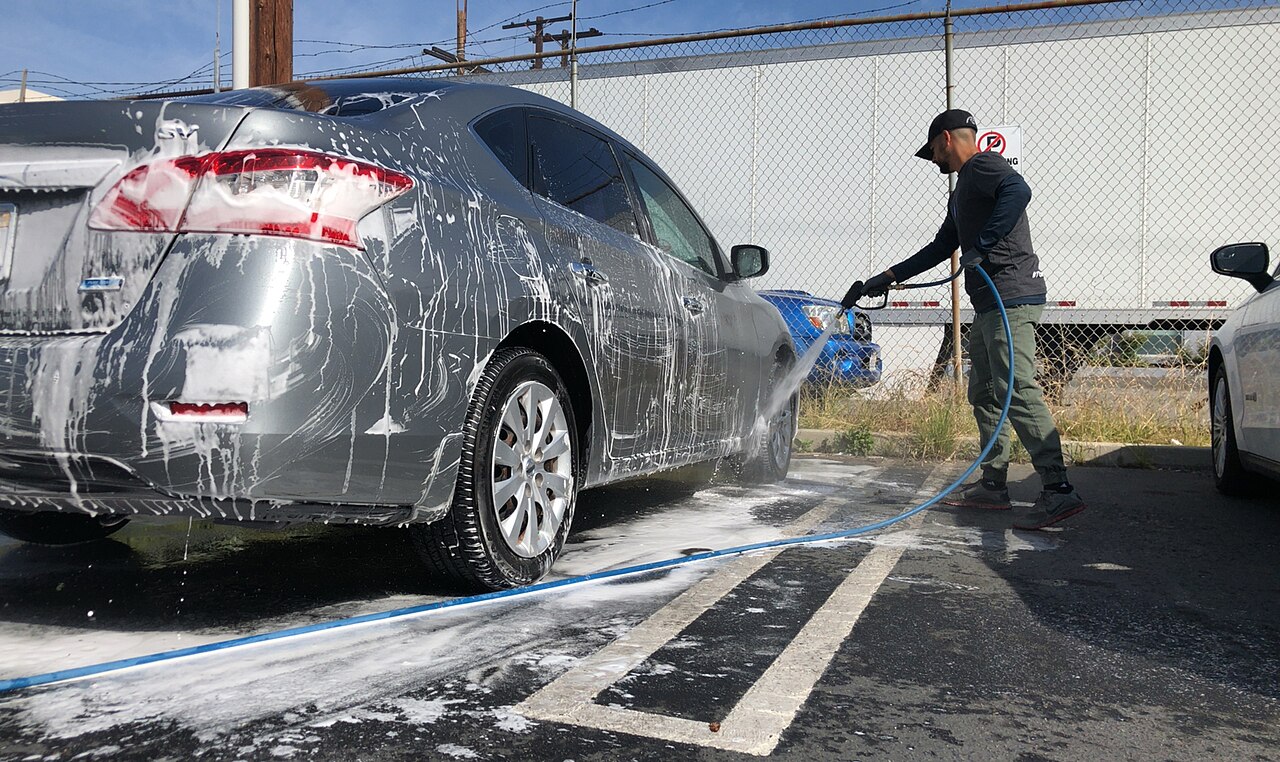
Car care is less a question of individual products than a question of order. If you wash the paint first and then clean the wheels, you spread brake dust and road dirt over surfaces that have just become clean. A fixed process – first the coarse dirt on wheels and tyres, then the paint from top to bottom – prevents dirt from getting back onto treated areas.
According to vergleich.org, car care includes cleaning, care and protection of the vehicle. These three tasks build on one another: first dirt is removed, then surfaces are cared for, and finally they are protected. This page is about the process and the basics; the product groups are classified in the Car care products category.
Verified test results
- We currently have no verified test results from independent publishers on this topic. As soon as published tests exist, we will add them here with their source.
The process in seven steps
1. Prepare the workplace
Place the vehicle in the shade or work on a cloudy day. Prepare two buckets – one with clear water for rinsing, one with shampoo solution – as well as a wash mitt, a drying towel, a wheel brush and gloves. This way you do not have to search during the work and can work through smoothly.
2. Clean wheels and tyres
Start on the wheels while the paint is still dry. Brake dust and road dirt are loosened with wheel cleaner and brush, then rinsed thoroughly. Work wheel by wheel and do not let the cleaner dry. Acid-free cleaners are the safer choice for regular care; for acid-containing products, the manufacturer's instructions on dwell time and dilution apply.
3. Pre-wash and coarse dirt
Rinse the vehicle from top to bottom so that coarse dirt runs off before you touch the paint. Heavily soiled areas such as sills and wheel arches get more water. Soak insect remains and bird droppings instead of wiping them dry – dry rubbing leaves scratches in the clear coat.
4. Hand wash from top to bottom
Wash the roof, bonnet and rear first, sills and lower doors last. Dip the mitt into the shampoo solution, wash in straight lines without pressure and rinse it in the clear bucket before picking up shampoo again. Which shampoos are suitable for hand washing can be read in the overview of Car shampoo.
5. Dry
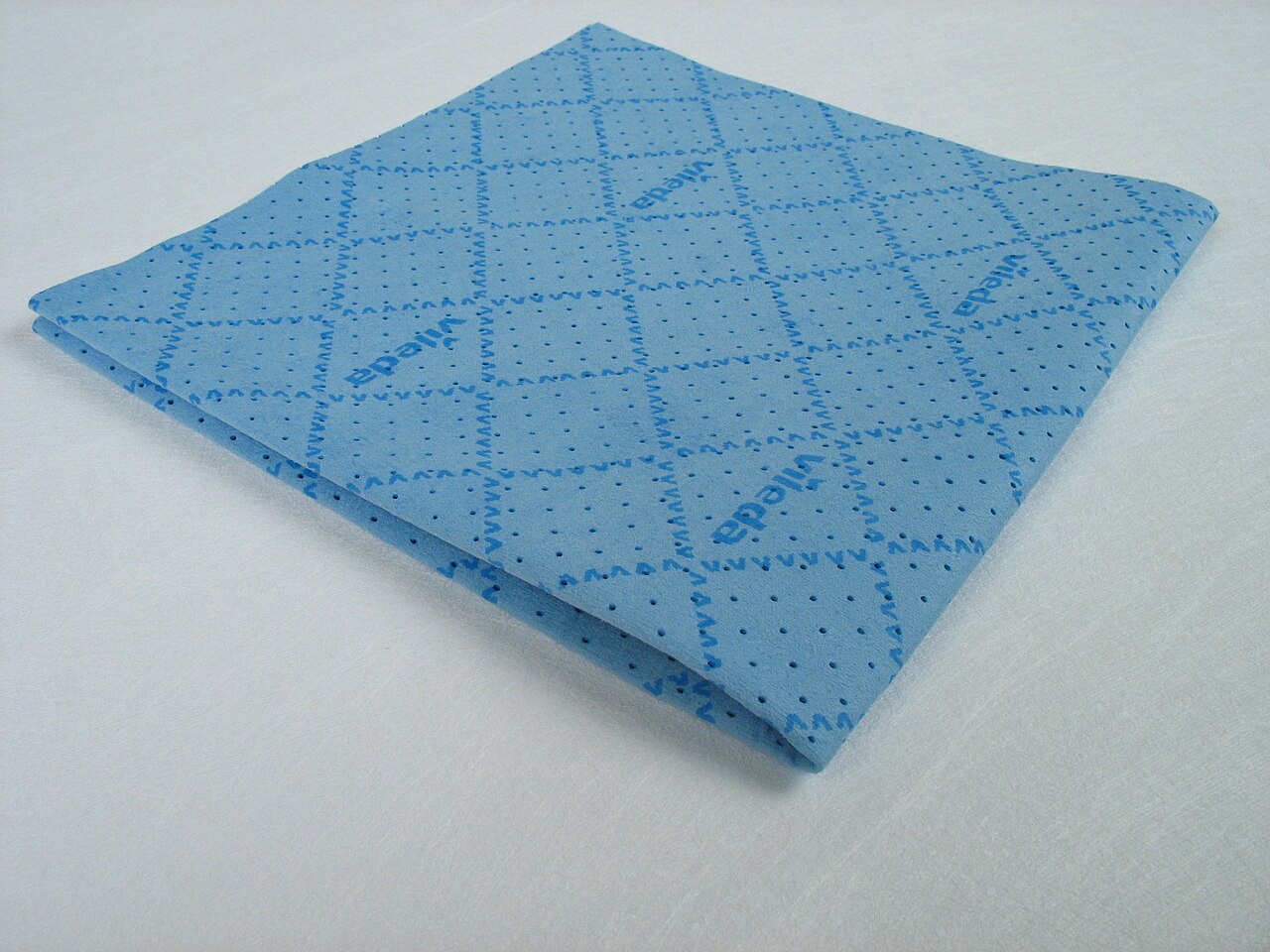
Absorb the water with a drying towel instead of spreading it. Work over areas and dab or pull the towel in one direction. A dry vehicle prevents water spots, especially with hard water.
6. Prepare and protect the paint
Check the paint after drying: dull spots, fine scratches and baked-on water spots can be treated with a polish. Then follows protection with wax or sealant. Work section by section, apply thinly and polish off residues with a clean cloth. Between polish and protection, the paint should be clean and dry.
7. Interior and windows
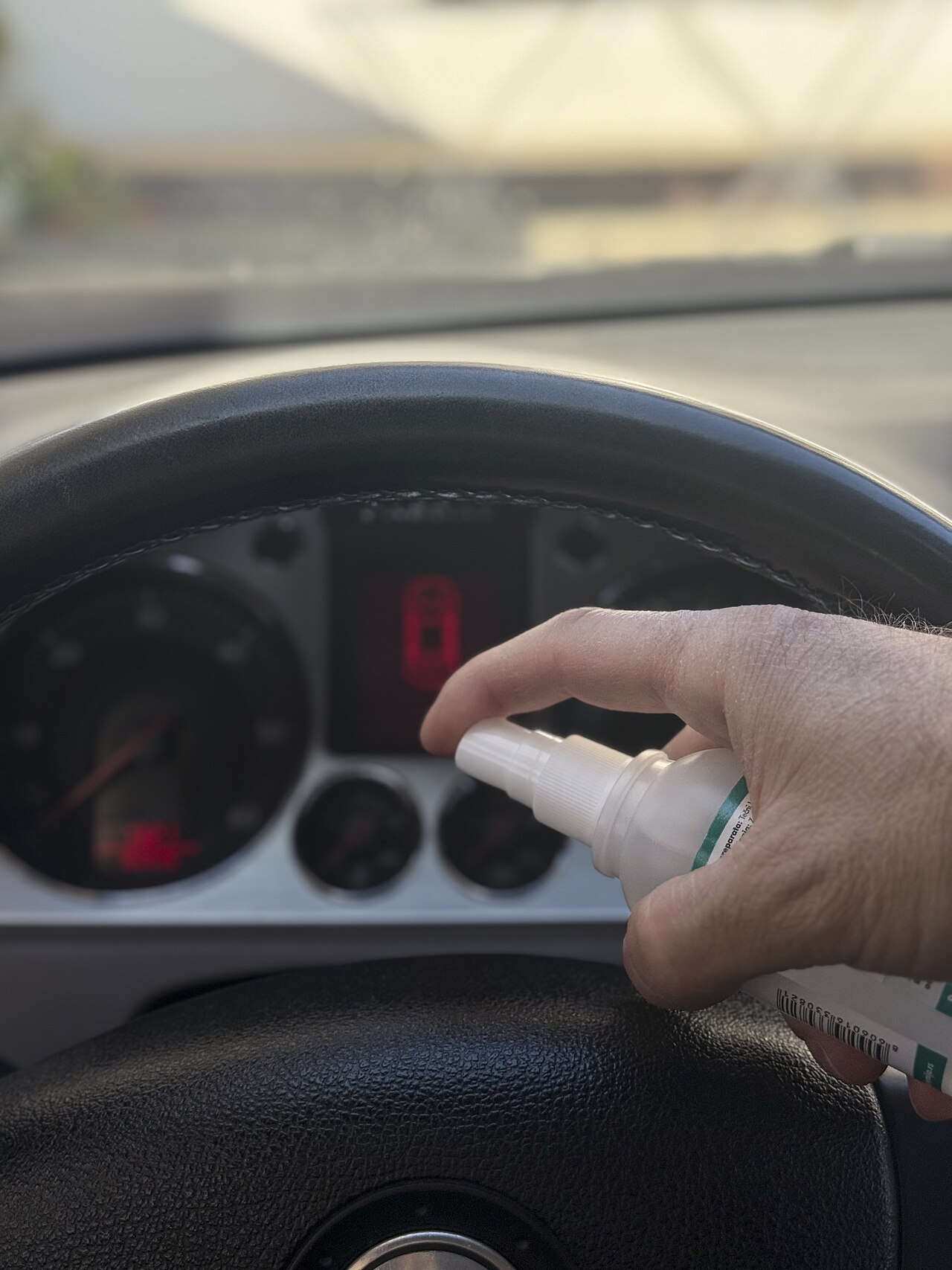
Finally come the interior and windows. Vacuum, then treat plastic, leather and textile with suitable cleaners. Apply glass cleaner sparingly and wipe with a dry microfibre cloth so that no streaks remain. Then air the interior so that moisture can escape.
Product groups and their tasks
| Product group | Task | Typical application |
|---|---|---|
| Car shampoo | Loosen dirt, protect paint | Hand wash with two buckets |
| Pre-wash / foam | Soak coarse dirt | Spray on or foam before hand washing |
| Wheel cleaner | Loosen brake dust | Wheel by wheel, with brush, rinse thoroughly |
| Polish | Remove unevenness and dull spots | Section by section with pad or cloth |
| Wax / sealant | Build up protective layer | Apply thinly, polish off residues |
| Interior cleaner | Clean plastic, textile, leather | Spray on sparingly, wipe with cloth |
| Glass cleaner | Remove streaks and fingerprints | Spray on, wipe dry |
| Microfibre cloths | Absorb water and product | Colour-coded by area of use |
Which products you need for the start and how to recognise suitable products is described under Buying car care products.
Typical mistakes in car care
- Working in the sun: Water and cleaner dry too quickly and leave residues.
- Wiping dry: Bird droppings, resin and insect remains are soaked, not rubbed dry.
- Washing from bottom to top: Dirt from the sill and wheel area spreads over the paint.
- One bucket for everything: Without clear rinse water, the mitt carries dirt back onto the surface.
- Too much product: Overdosed cleaners leave streaks and are difficult to rinse off.
- Wrong cloth: Coarse or dirty cloths cause fine scratches.
- Protective layer before polish: Anyone who waxes first and then polishes removes the protection straight away.
Safety, dosing and storage
Car care products are chemicals and are dosed according to the manufacturer's instructions. Gloves protect the skin; in the case of spray mist, ventilate the work area. Cleaners are never mixed, because unexpected reactions can occur. Dilute concentrates with the specified amount of water; more cleaner does not mean more effect.
Store cool, frost-free, closed and out of the reach of children. Labels remain legible so that dosing and warnings are available at all times. Empty containers and leftover quantities are disposed of according to local regulations and the note on the label.
Car care throughout the year
The tasks shift with the weather. In spring, pollen and flower dust are the focus, in summer insect remains and solar radiation, in autumn leaves and moisture, in winter road salt and grit. After driving on salt, a thorough wash is worthwhile with particular attention to sills, wheel arches and underbody. Before winter, a fresh protective layer additionally protects the paint.
Frequently asked questions
How often should I wash my car?
That depends on the weather, location and use. After salt, bird droppings, resin or insect remains, a wash is worthwhile promptly, because these soiling types stress the paint more than dust.
Can I wax directly after hand washing?
Yes, if the paint is clean and dry. For dull spots or fine scratches, a polish comes first, then the protection.
What do I do about bird droppings on the paint?
Soak, do not wipe dry. Place a damp cloth on the spot, let it act briefly and carefully pick up the rest. This way you avoid scratches in the clear coat.
Which cloths are suitable for which surface?
Microfibre cloths for paint and glass, separate cloths for wheels and tyres, a dry cloth for the windows. Colour coding prevents cleaner residues from moving from one surface to another.
Do I have to dilute wheel cleaner?
That is stated on the label. Concentrates are diluted according to the manufacturer's instructions, ready-to-use products are applied directly. Dwell times are observed and not extended.