
Key points at a glance
- Winter care begins before the first frost: paintwork, windows and seals need protection in good time.
- Road salt, moisture and dirt should be removed regularly before they dry on surfaces.
- Wash the car in winter too, but at suitable temperatures and without hot water on cold windows.
- Also care for seals and plastic parts so they do not become brittle.
- Avoid scraping ice off windows or paintwork with sharp objects.
Verified test results
- We currently have no verified test results from independent publishers on this topic. As soon as published tests exist, we will add them here with their source.
Why winter care is important
In winter, several stresses act on the vehicle at the same time: moisture, road salt, grit and dirt. This mixture sticks to paintwork, wheel arches, sills and seals. If it is not removed, it can permanently stress surfaces. Winter care therefore means not only washing but also protection and regular checks. Anyone who acts early will later need fewer aggressive cleaning agents.
A good time for protection is autumn, before salt and frost arrive. But you can also care for the car in the middle of winter as long as temperatures allow. It is important that you follow the product application instructions and do not treat surfaces that are too cold or too hot. You can find more on classifying care products in the Paint care category.
Before winter: build up protection
Clean the vehicle thoroughly before applying protection. The paintwork should be free of dirt, tar and insect remains. Dry the car carefully, especially at edges, gaps and under the door handles. Then apply a protection that suits the paintwork. This can be a wax or a sealant. You can read how to classify a wax in the Car wax guide; a sealant is explained in the Ceramic coating guide.
Also pay attention to windows, seals and plastic parts. Rubber and plastics can become brittle in winter if they are not cared for. Use suitable care products for this and apply sparingly. Before application, you should clean the parts and let them dry. This allows the protection to adhere better.
Cleaning in winter
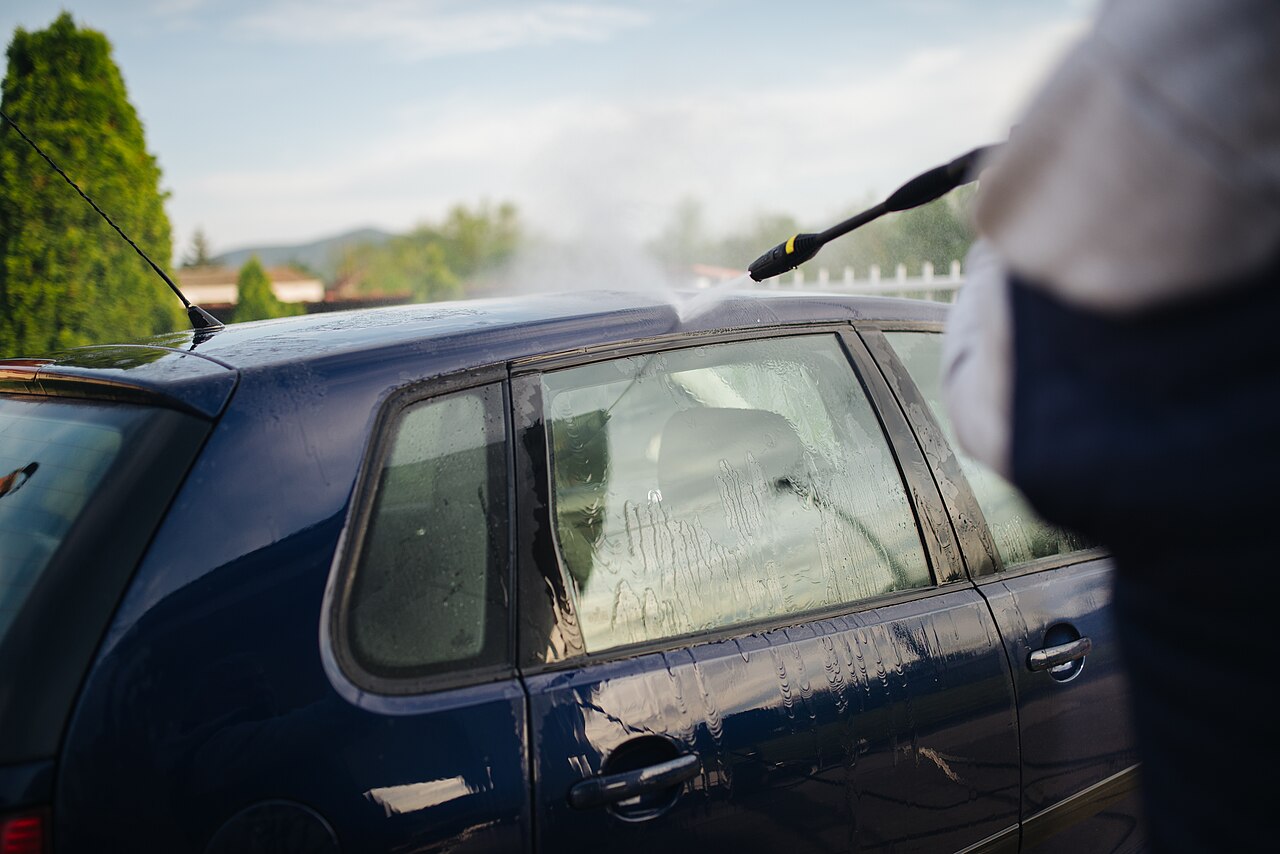
Wash the car in winter too, but not in frost and not with hot water on cold windows. A temperature shock can stress glass and materials. If possible, use a car wash with a suitable pre-wash or wash by hand with clear water and a mild cleaning agent. Remove salt and dirt residues particularly thoroughly on sills, wheel arches and lower door areas.
Start with the upper surfaces and work downwards. This way you do not spread dirt back onto areas that have already been cleaned. Rinse thoroughly after washing so that no cleaning agent residues dry on. Then dry the vehicle with a clean, soft cloth or let it dry in a sheltered place. Avoid going over the paintwork with an icy cloth.
Windows, seals and interior
Windows need special attention in winter. Remove ice with a suitable ice scraper and not with a key, a credit card or other hard objects. Do not spray glass cleaner onto hot windows and wipe it off with a clean cloth. A dry microfibre cloth is suitable for the inside of the windows so that no streaking occurs.
You should keep seals on doors and the boot clean and treat them with a suitable care product. This can help prevent them from drying out and sticking. Make sure that no water remains standing in crevices. In the interior, it helps to clean floor mats regularly and avoid moisture. Air out the vehicle in dry weather so that no condensation collects.
Typical mistakes in winter care
- Leaving salt and dirt on the paintwork for weeks. The longer the residues adhere, the harder they are to remove.
- Washing in frost and letting the water dry on the paintwork. This can leave spots and streaks.
- Pouring hot water onto cold windows. The temperature shock can stress glass and seals.
- Scraping ice off with hard objects. This can damage windows and paintwork.
- Caring only for the paintwork and neglecting seals, plastic and wheel arches. Salt remains stuck there in particular for a long time.
- Using aggressive cleaners without observing the manufacturer's instructions. This can attack surfaces.
Safety and health
When carrying out winter care, work with gloves and ensure sufficient ventilation if you work in a closed garage. Avoid contact of cleaning agents with eyes and skin. Observe the information on the products and keep them out of the reach of children. Do not work on icy surfaces without suitable footwear and secure the work area when you move around the vehicle. Dispose of residues and used cloths in accordance with local regulations.
Frequently asked questions
How often should I wash my car in winter?
That depends on the weather, road salt and use. After driving on salted roads, cleaning is particularly worthwhile. If salt and dirt are visibly stuck, you should not leave them on the vehicle for longer periods. In frost and very low temperatures, it is better to wait for warmer days.
Can I wash my car in frost?
Washing in frost is possible but not ideal. Avoid hot water and make sure that no water remains standing in crevices and freezes. Dry the vehicle thoroughly. If you are unsure, use a car wash with suitable technology or wait for milder temperatures.
Which protection makes sense in winter?
A protection on the paintwork can help repel dirt and moisture. Wax and sealant are typical options. Which product is suitable depends on the vehicle and the paintwork. It is important to apply the protection to a clean and dry surface and to observe the manufacturer's instructions.
How do I remove ice from the window?
Use an ice scraper with a plastic edge and work carefully. First remove coarse snow and then the ice. Avoid sharp objects and do not pour hot water onto the cold window. A suitable window de-icer can make the work easier if it is suitable for the material.
What should I do about iced-up door seals?
Do not try to open the door by force. A de-icing agent for seals can help if it is compatible with the material. Afterwards you should dry and care for the seal. If the door still sticks, wait for milder temperatures or ask at a workshop.
Do I also need to care for the interior in winter?
Yes, moisture and road salt are also carried into the interior. Clean floor mats and plastic surfaces regularly and air out the vehicle in dry weather. This way you avoid condensation and stubborn salt marks.